At a glance
Compare box trucks and semi trucks for liquidation freight using payload, cargo clearance, site access and unloading requirements—not assumptions about pallet counts or vehicle length.
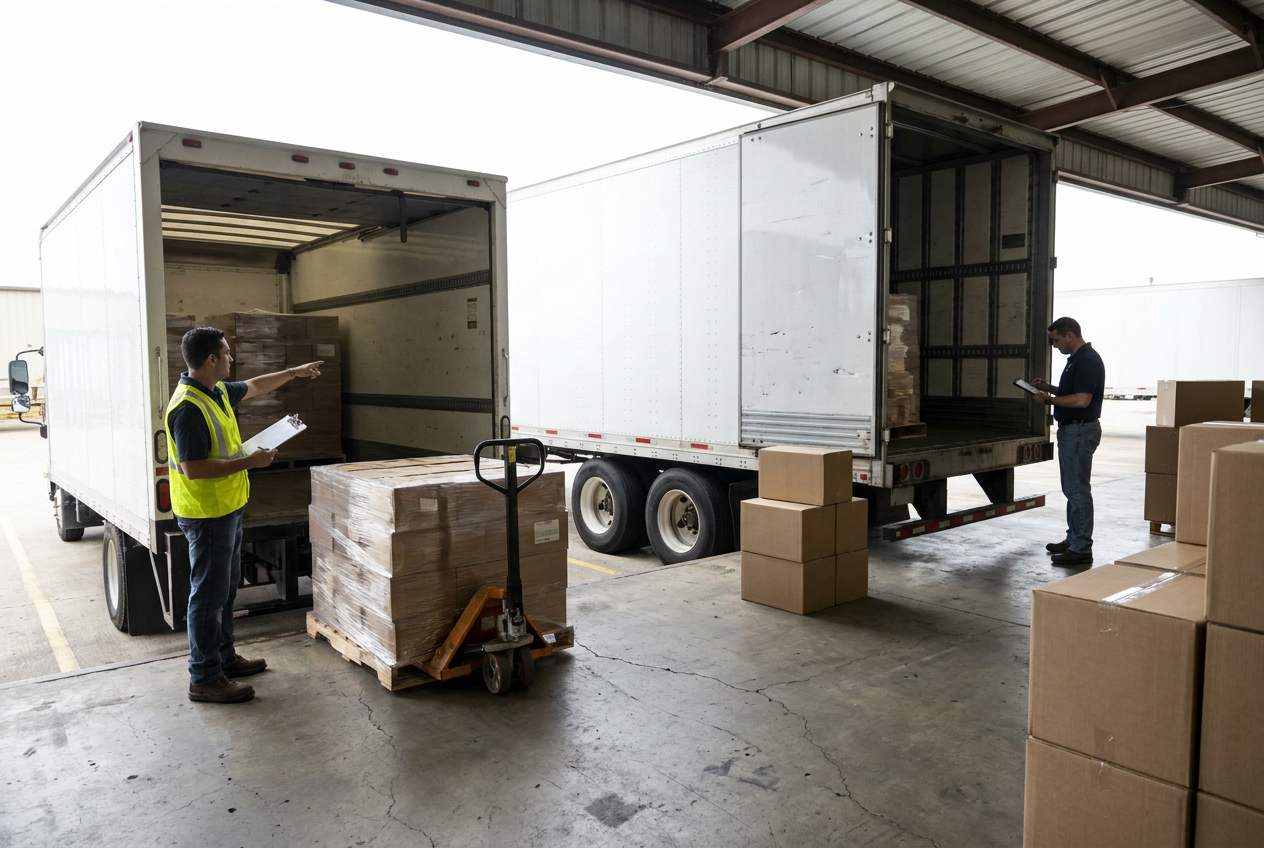
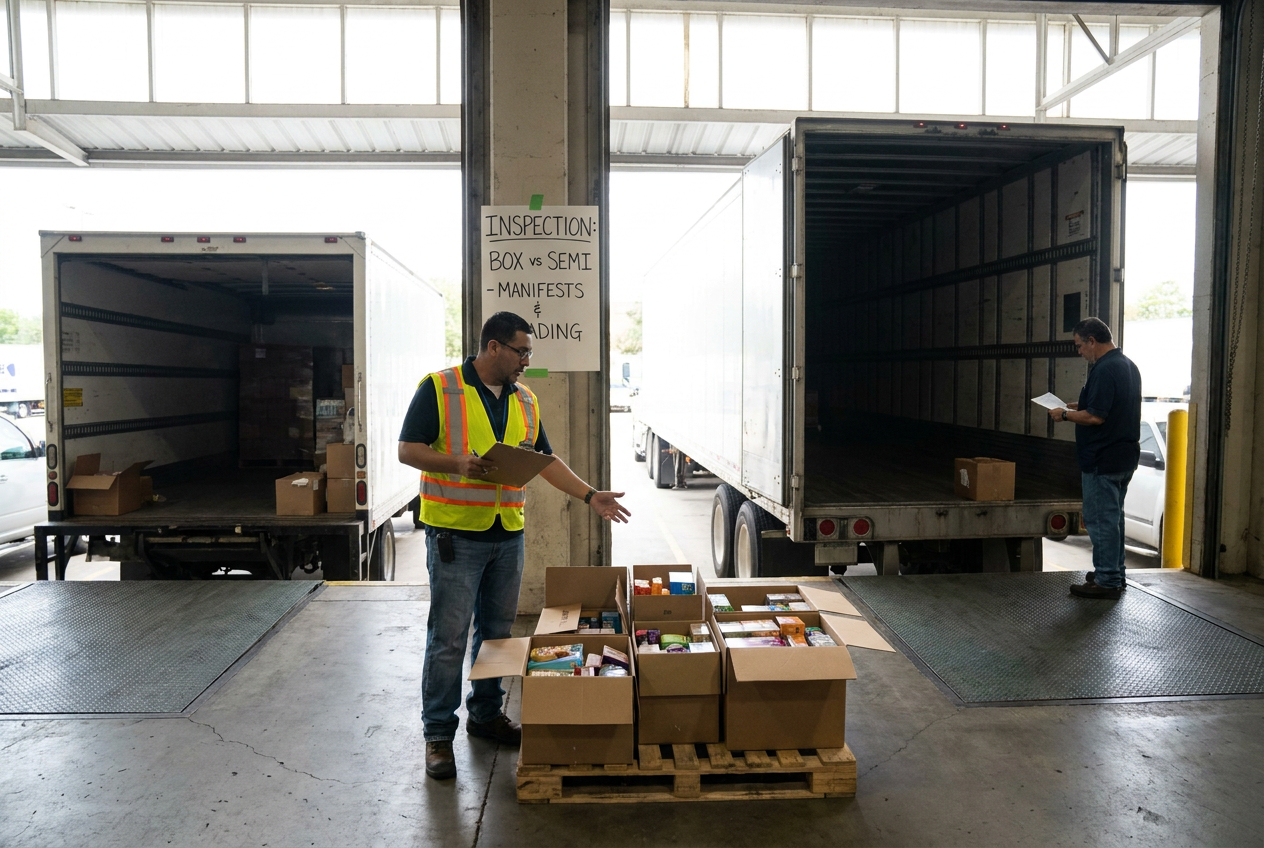
Choosing between a box truck and a semi truck for liquidation freight starts with four questions: Can the vehicle legally carry the weight? Will the cargo fit through its doors? Can it reach the receiving area? Can your team unload it safely? Vehicle length alone answers none of them.
For the broader purchasing process, start with our guide to buying liquidation truckloads. This box truck vs semi truck comparison focuses on equipment suitability, not shipment pricing. At PalletCove, free shipping—delivery with freight included in the listed price—is the only delivery option on every order to all 48 contiguous states.
A smaller shipment does not guarantee box-truck delivery, and a truckload listing does not establish the exact vehicle that will arrive. Share shipment and site requirements during order review so the carrier can confirm compatible equipment before dispatch.
1. Box truck vs semi truck: what actually changes?
A box truck is a straight truck with its enclosed cargo body mounted on the same chassis as the cab. A semi truck combines a tractor with a separate semitrailer. Both can transport liquidation pallets; their suitability depends on the specific equipment and load.
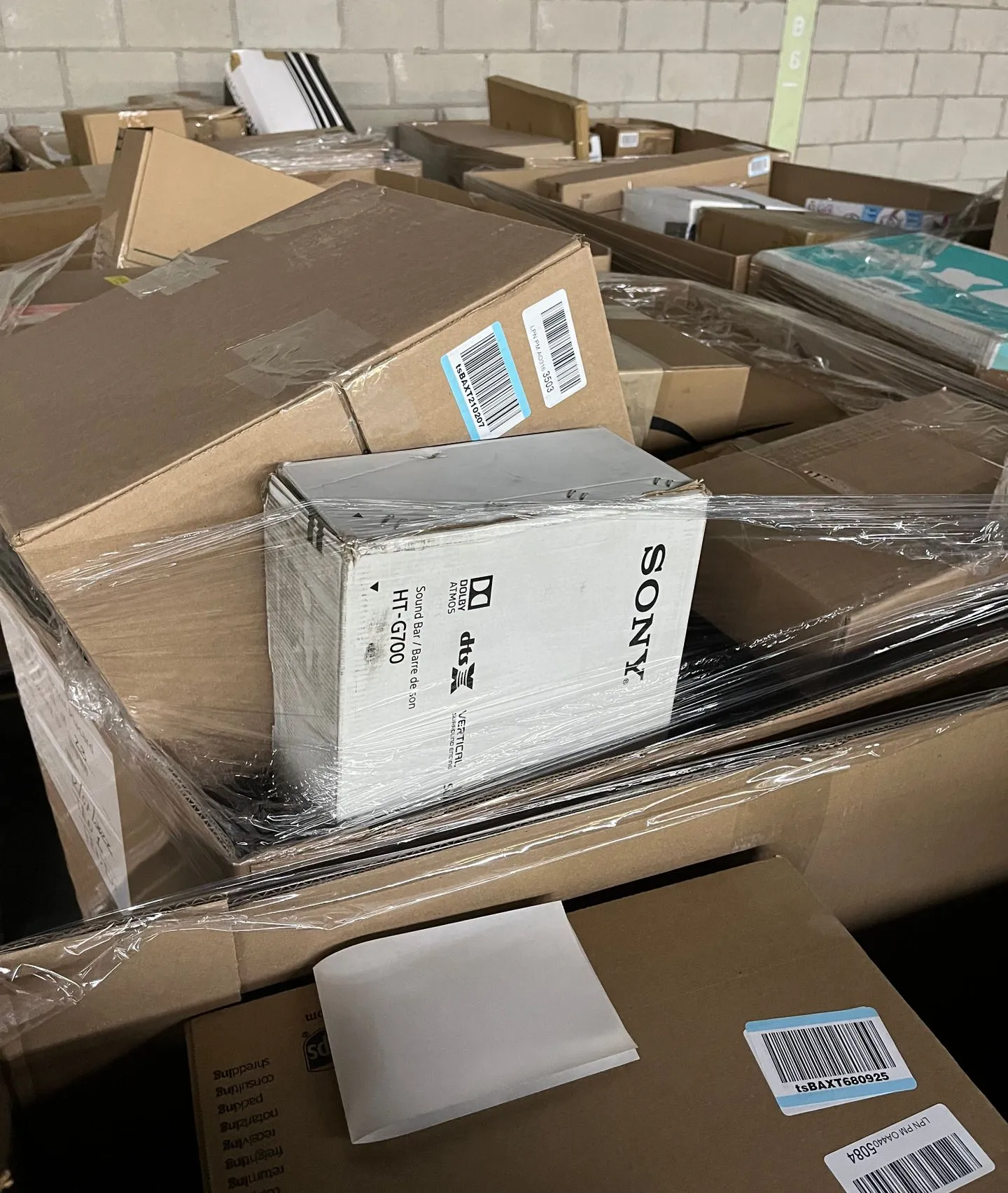
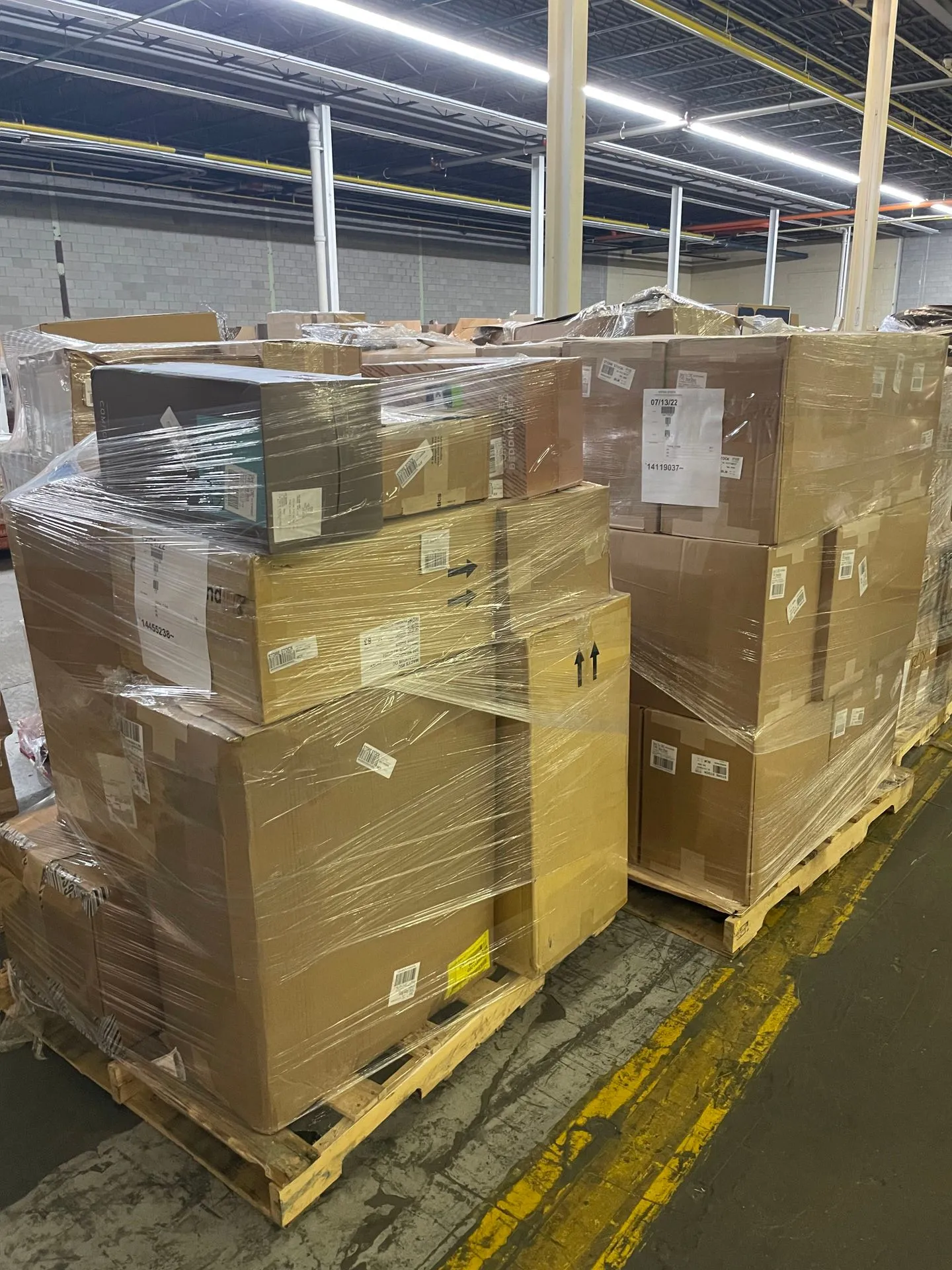
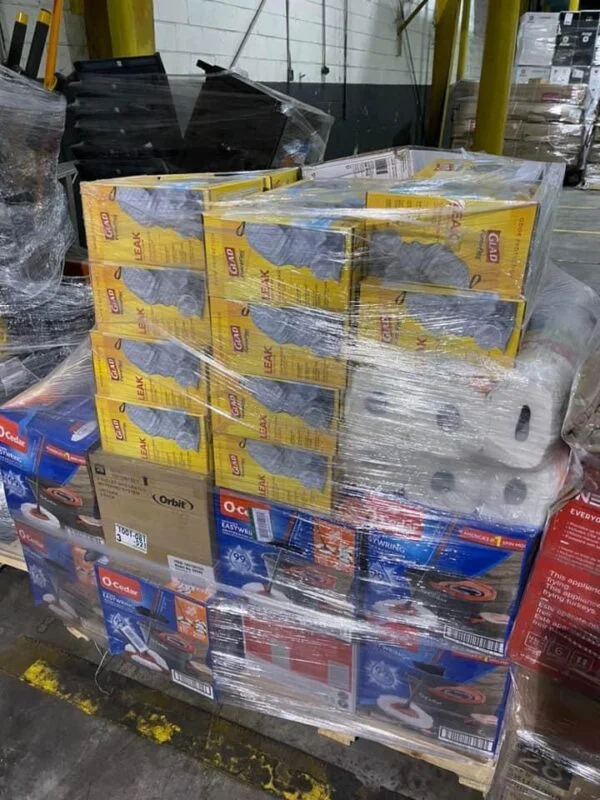
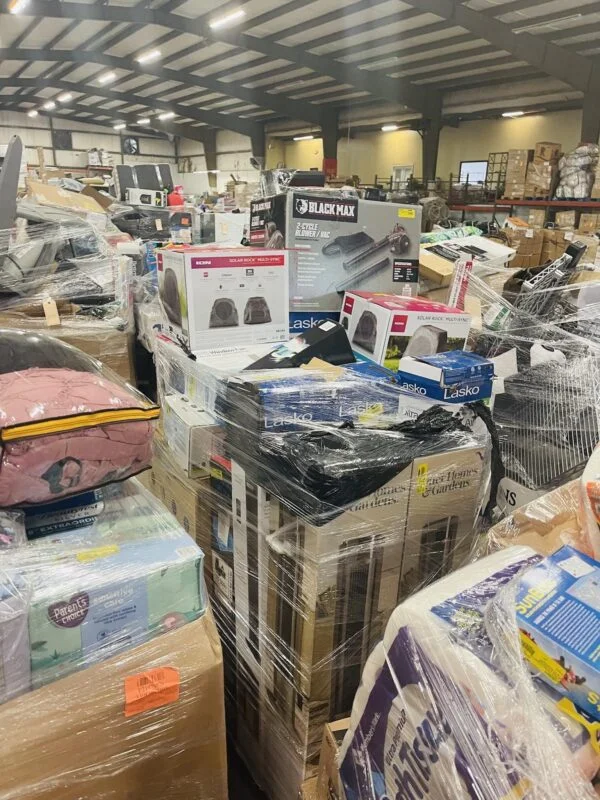
A liquidation pallet is merchandise grouped on a pallet for bulk handling and sale. A truckload is a shipment or sales lot organized at truckload scale; the listing must establish its actual quantity and loading configuration. A full trailer means the trailer is dedicated to the shipment, not necessarily packed to every cubic inch or loaded to its maximum legal weight.
LTL means less-than-truckload service, in which freight typically shares trailer capacity with other shipments. LTL is a service arrangement, not a vehicle type: a semi may handle the main movement while another vehicle handles local delivery.
| Decision factor | Box truck | Tractor-semitrailer |
|---|---|---|
| --- | --- | --- |
| Payload | Often lower; varies substantially by chassis and body | Often higher, but constrained by tractor, trailer, axle and route limits |
| Cargo clearance | Door opening and interior height can restrict tall pallets | Often more usable space; exact door dimensions still matter |
| Site access | Usually easier to maneuver, but not suitable for every driveway | Needs more turning, backing and staging space |
| Unloading | May use a compatible dock or confirmed liftgate arrangement | Often uses a dock; ground-level unloading requires a confirmed plan |
| Best starting fit | Smaller loads with verified weight and dimensions | Larger palletized or floor-loaded shipments with appropriate receiving facilities |
The right vehicle is the one that meets every weight, clearance, access and unloading requirement—not simply the one with enough floor space.
2. Check payload before counting pallet positions
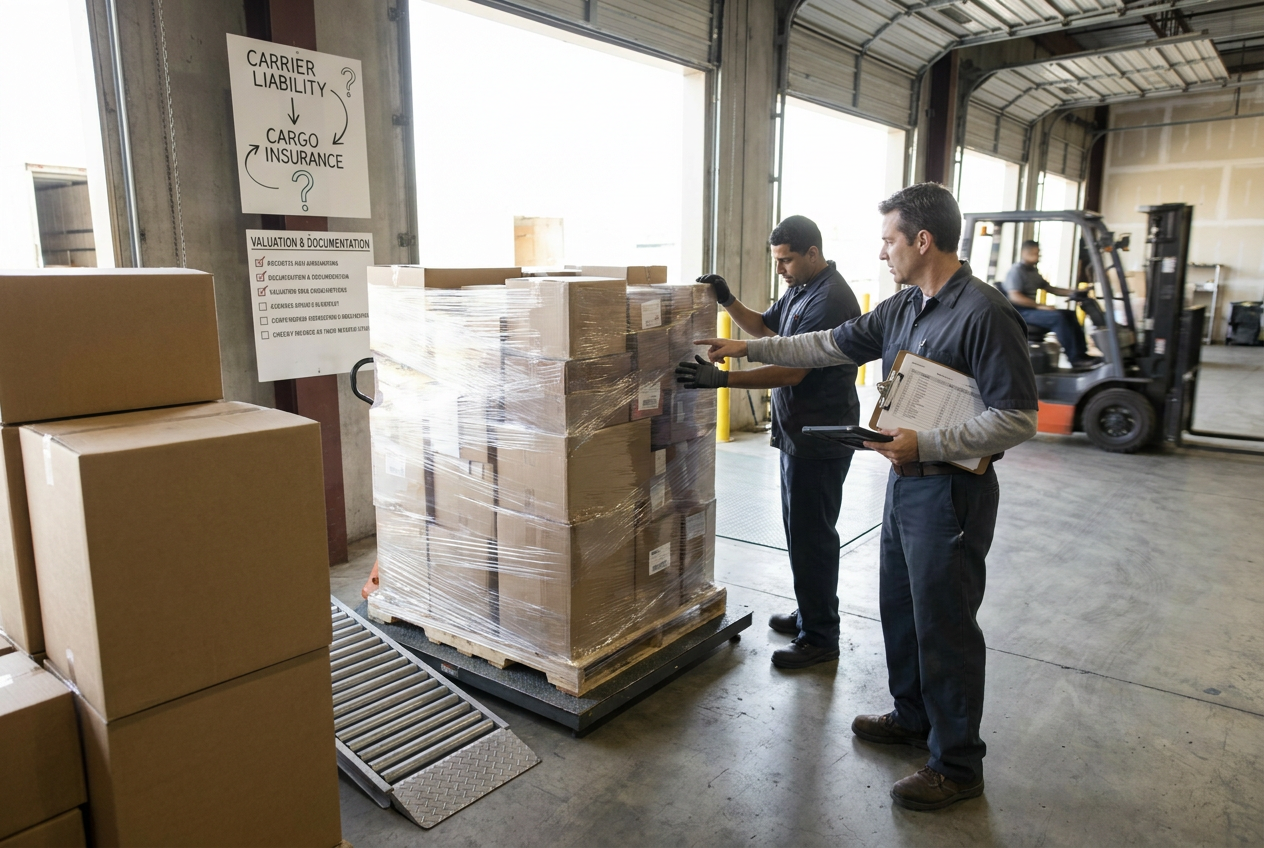
Payload is the cargo weight a vehicle can carry within its applicable ratings and legal limits. It is not the gross vehicle weight rating, which includes the vehicle itself. Fuel, occupants, installed equipment and other carried materials also consume available capacity.
Ask for the shipment’s gross weight, including pallets and packaging, rather than merchandise weight alone. Then have the carrier verify the proposed vehicle’s usable payload and axle loading. Dense hardware can exhaust weight capacity before using much floor space; bulky lightweight merchandise can fill the body first.
For illustration, eight pallets weighing 1,200 pounds each total 9,600 pounds. If the proposed truck has only 8,500 pounds of available cargo capacity, that load does not work—even if all eight pallets physically fit. These are example figures, not specifications for PalletCove inventory or assigned vehicles.
Weight distribution matters too. Concentrating heavy pallets near one end can overload an axle without exceeding the vehicle’s overall limit. The carrier must approve loading and securement; a reseller should not direct repositioning based solely on convenience at unloading.
Use our liquidation truckload weight limits guide for the detailed weight discussion. For this vehicle decision, obtain three essentials: total gross cargo weight, individual heavy-pallet weights and a carrier-approved loading arrangement.
3. Measure the doorway, not just the cargo body
A nominal body length does not establish usable capacity. Door frames, wheel housings, interior fittings and loading equipment can reduce available space. Roll-up doors can have a smaller opening than the interior height suggests.
Before accepting an equipment plan, verify:
- Each loaded pallet’s length, width and height, including overhang and wrapping.
- The narrowest usable door width and height.
- Interior clear dimensions and any obstructions.
- Space needed to handle freight without crushing neighboring cartons.
- Whether pallets are stackable, explicitly confirmed rather than assumed.
- Whether a liftgate platform, when required and confirmed, accommodates the load and handling equipment.
Pallet count is therefore only a starting point. A 53-foot trailer’s capacity depends on pallet footprints, loading orientation, weight distribution and stackability; its nominal length is not a guarantee of a particular count.
Also distinguish palletized freight from floor-loaded freight, where cartons or items are loaded directly onto the trailer floor. A pallet jack cannot remove a floor-loaded shipment as if it were already palletized. Labor, handling equipment and staging space must match the actual configuration.
When comparing liquidation pallets with liquidation truckloads for sale, request shipment dimensions and loading details for the specific listing. Full-truckload versus partial-load service is a separate decision from whether a box truck can physically handle the freight.
4. Match site access and unloading equipment
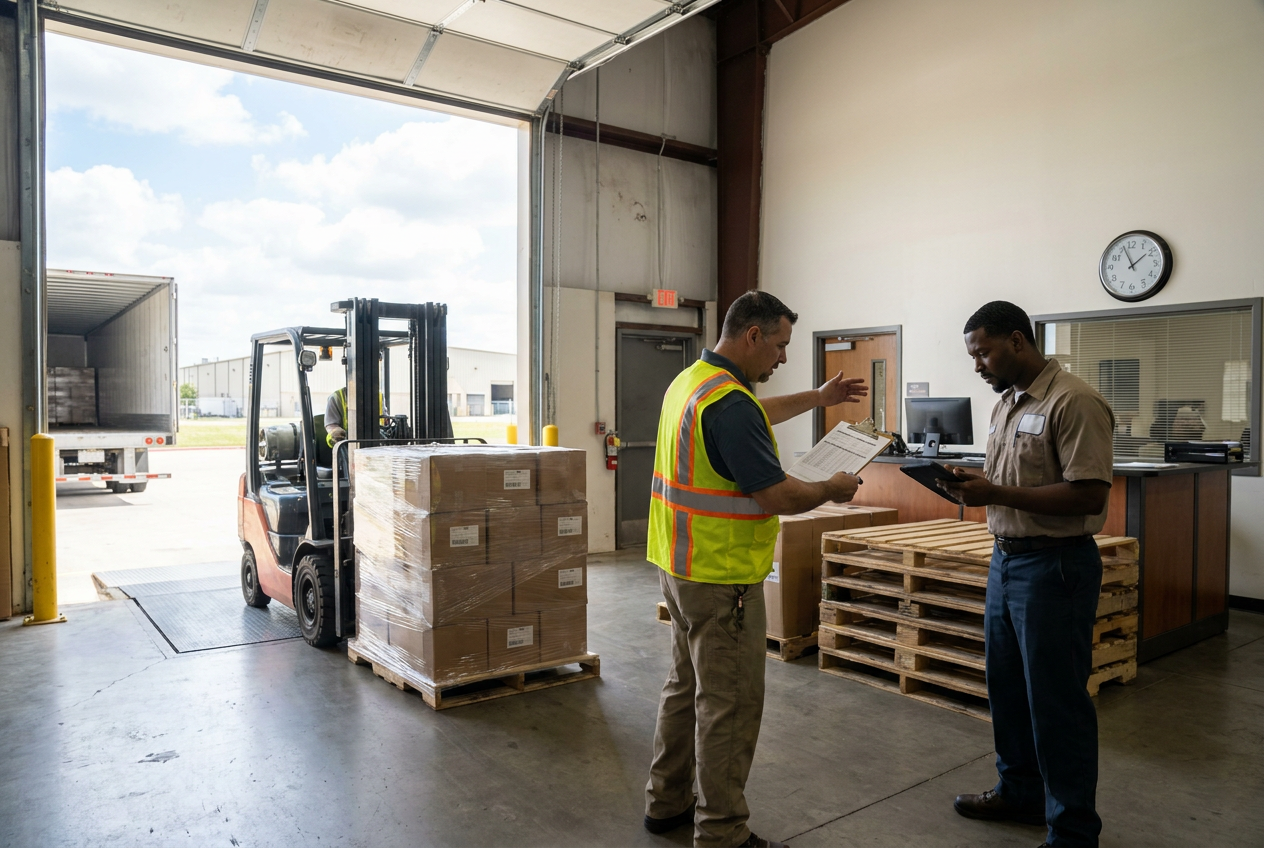
A loading dock is a raised receiving platform designed to transfer freight between a building and a vehicle. Having a dock does not automatically make every truck compatible: dock height, approach slope, door position and the dock leveler or bridge plate must suit the vehicle and load.
A box truck may turn more easily than a tractor-trailer, but it still needs adequate overhead clearance, pavement strength and maneuvering room. A semi needs space for both tractor movement and trailer tracking through turns. Parked vehicles, gates and street geometry can make an apparently large yard unusable.
Give the carrier a practical site description:
- Identify the receiving entrance, not just the mailing address.
- Report gate widths, overhead obstructions, tight turns and backing restrictions.
- Describe the dock or ground-level unloading area and its surface.
- Identify available forklifts, pallet jacks, trained operators and rated capacities.
- State receiving hours and any appointment requirements.
A liftgate is a powered platform that moves cargo between truck-bed and ground level. Its presence must be confirmed; it is not standard on every box truck. Its capacity must accommodate everything placed on it, and the platform must safely fit the load. A pallet jack also needs an appropriate surface; gravel, slopes and broken pavement can prevent safe movement.
Do not assume the driver will hand-unload, sort merchandise or provide equipment your site lacks. If the proposed arrangement is incompatible, resolve that before dispatch rather than improvising on arrival.
5. Use manifests and condition grades correctly
A manifest is an inventory description or list supplied for a lot. It may help identify merchandise categories and quantities, but it is not automatically a verified packing list with shipping weights and dimensions. Ask separately for transport specifications when those details are absent.
A condition grade describes the listing’s stated merchandise condition, not its transport readiness. Common terms include:
- Overstock: excess inventory; the term alone does not verify new condition.
- Shelf pulls: merchandise removed from selling shelves, potentially with packaging wear.
- Customer returns: previously returned merchandise with potentially varied condition.
- Salvage: merchandise described for recovery, repair or parts, as specified in the listing.
- As-is: sale according to the stated description and applicable terms, not a substitute for reading condition disclosures.
Photos show representative loads. Each pallet’s contents vary, pallets are not individually tested, and contents are sold as described in the listing. Do not infer testing or a guaranteed condition from packaging or a product name.
The truckload inventory category and general merchandise category provide relevant browsing routes. For example, review the Amazon General Merchandise Truckload listing or Macy’s Textile Truckload listing for their current descriptions, then confirm transport details. Neither name establishes pallet weight, stackability or loading method.
PalletCove is an independent reseller and is not affiliated with, endorsed by or sponsored by any retailer named. Before ordering, also allocate dry storage and clear staging space so receiving does not depend on immediate sorting or resale.
6. Confirm the order and carrier requirements
The listed price includes freight. Free shipping is the only delivery option, but it does not make every address compatible with every vehicle. Buyers of liquidation pallets in Texas and liquidation pallets in Florida should provide the same site and unloading information; proximity to Houston does not remove those requirements.
During order review, confirm the lot, listed condition, loading configuration, dimensions, weight and receiving capabilities. Flag restricted or potentially regulated merchandise, such as certain batteries, for carrier review rather than assuming ordinary enclosed-truck service is suitable.
No payment is collected on the website order form. After order review, a secure card link is emailed. Credit and debit cards—Visa, Mastercard, American Express and Discover—are the only accepted payment method. Valid resale certificates are reviewed and applied where the buyer’s state allows.
Handling takes 1–3 business days after payment clears. Transit from Houston is typically 3–7 business days, for an estimated 4–10 business days total. The processing cutoff is 2:00 PM Central Time, America/Chicago, Monday–Friday; after-cutoff confirmations begin the next business day. Weekends and applicable holidays do not count.
Review the free-shipping and delivery policy and keep a reachable receiving contact available. Follow the freight delivery appointment guide for scheduling preparation. Do not assume a universal 24-hour advance call or a specific vehicle until confirmed.
7. Inspect the delivery and document exceptions
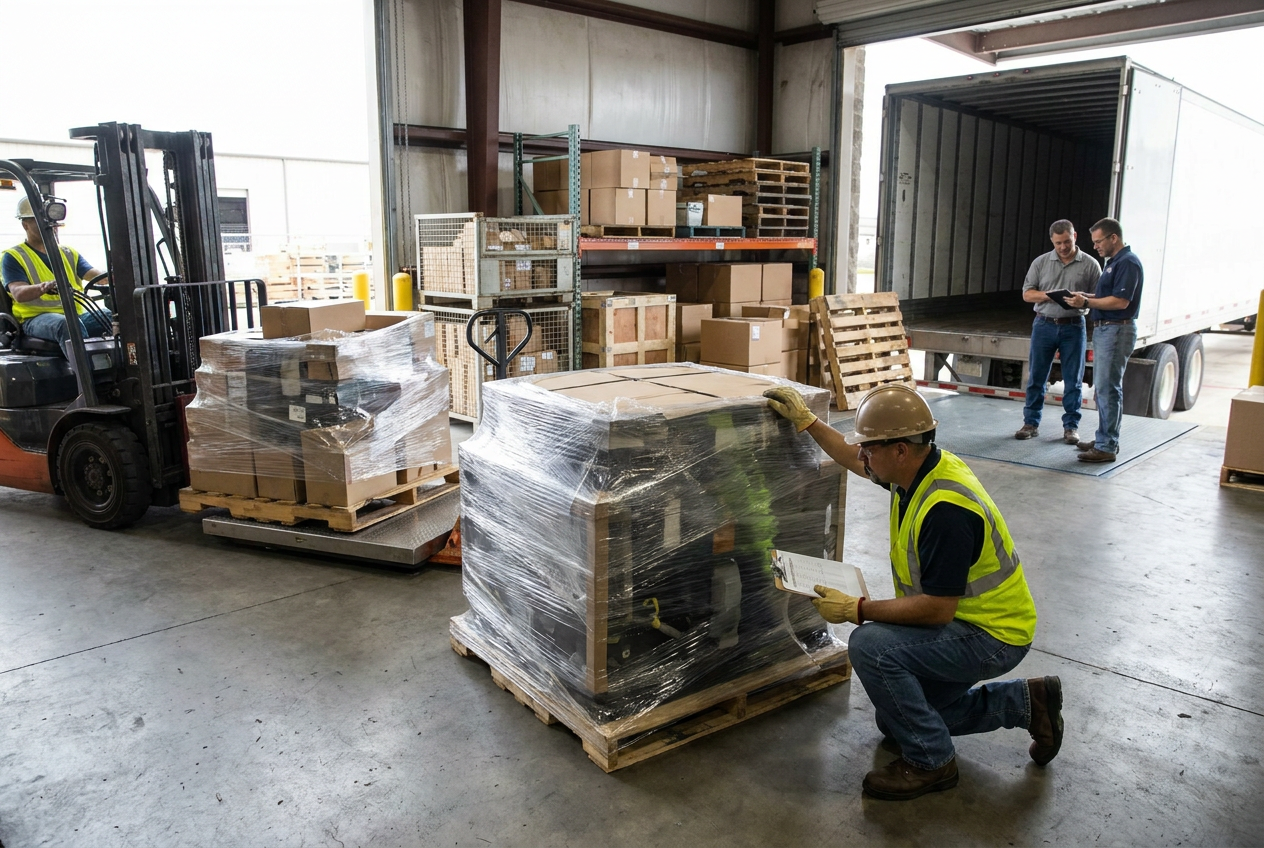
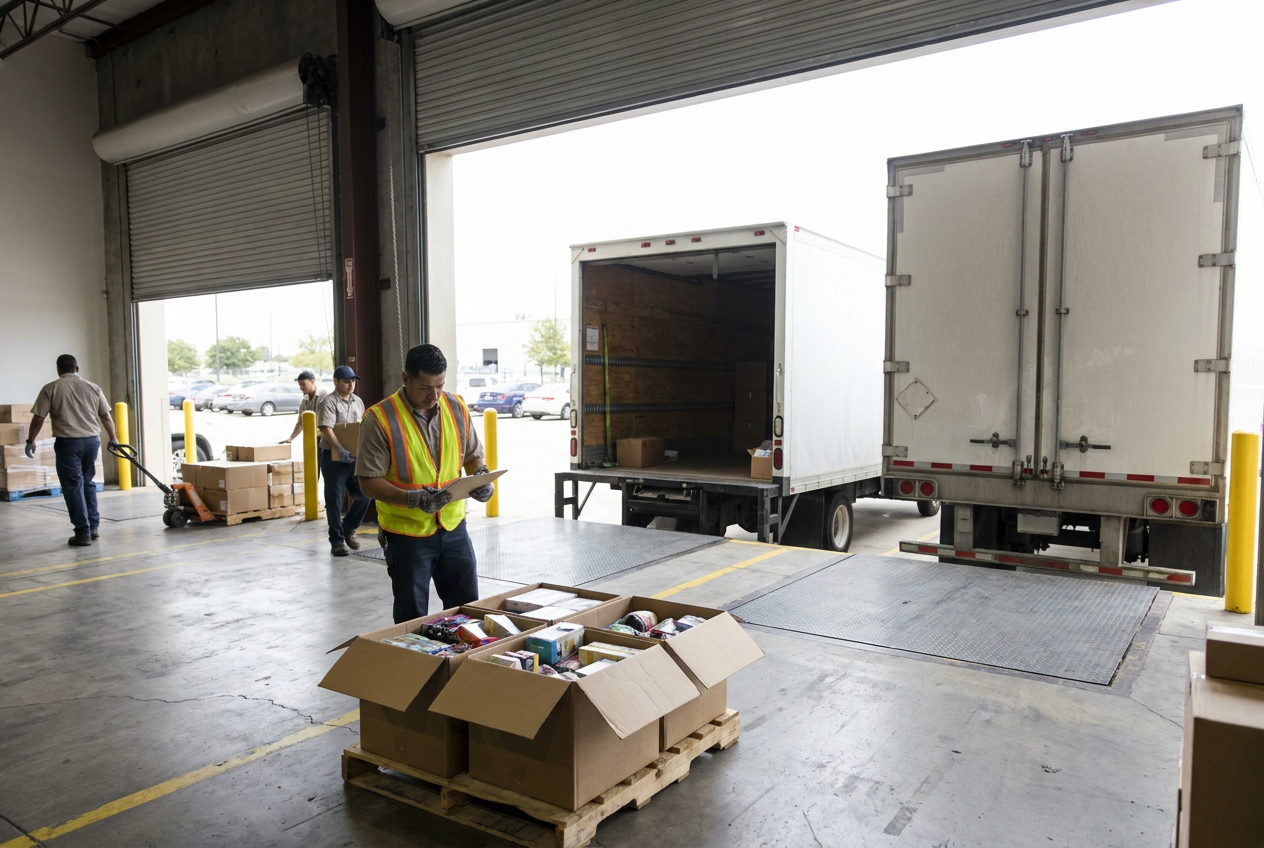
A bill of lading is the freight document identifying the shipment, parties and handling information. Compare its shipment references and handling-unit count with the delivery, and use the carrier’s delivery receipt to record visible exceptions. A pallet count does not verify every item inside wrapped merchandise.
Before unloading, confirm that the vehicle and equipment can interface safely. During receiving, photograph visible damage, shifted freight, broken wrapping or apparent shortages. Record specific observations rather than a vague “damaged” notation, retain documents and packaging, and request delivery-issue reporting within 48 hours.
That reporting request does not shorten eligible new-product return rights. Under the Refund & Returns Policy, United States products explicitly listed as NEW ONLY qualify for defective and non-defective returns and exchanges within 30 calendar days of delivery. Returns are by mail; the customer is responsible for the return label and shipping, and a restocking fee of 15% of the product price applies. Refund processing takes 10 calendar days after authorized return receipt and inspection, or approval where no physical return is required.
Mixed and used loads have separate claims terms, not routine change-of-mind returns. Preserve the listing description so a transport-damage claim can be distinguished from merchandise condition already disclosed.
Frequently asked questions
Is a box truck always better for a small liquidation order?
No. A small order may move through an LTL network using several vehicle types. The final vehicle must satisfy payload, clearance, access and unloading requirements.
Can a box truck carry a full truckload listing?
Only if the actual shipment meets that truck’s verified weight and space limits, which should never be assumed. A truckload sales label does not provide enough information to approve a vehicle.
Does free shipping include a guaranteed liftgate truck?
Free shipping means freight is included in the listed price; it does not establish the assigned equipment. Tell the order desk about ground-level receiving so a compatible arrangement can be confirmed before dispatch.
What is the most common capacity mistake?
Treating pallet positions as a payload rating is a major mistake. Also avoid measuring only interior height: the freight must pass through the door and be handled safely at both ends.
Can I receive a semi truck without a loading dock?
Possibly, but only with a carrier-confirmed unloading plan and suitable equipment, operators and space. Do not plan to unload heavy pallets manually or assume equipment will arrive with the driver.
Talk to PalletCove Liquidation
The box truck vs semi truck decision comes down to verified cargo measurements, legal payload, accessible receiving space and compatible unloading equipment. Use the liquidation truckload buying guide for the broader purchase decision, then contact our order desk with your site details and review current inventory.
PalletCove Liquidation LLC
4000 Telephone Rd Unit B11, Houston, TX 77087
Phone: (713) 819-3904
Email: sales@palletcoveliquidation.com
Hours: Mon–Fri 8:00 AM – 6:00 PM CT, Sat 9:00 AM – 2:00 PM CT, Sun closed
About PalletCove Liquidation
Published by PalletCove Liquidation LLC, based in Houston, Texas. Our buying guides cover evaluating liquidation inventory and preparing for delivery. Consult the current product listing and store policies for purchase terms.