At a glance
Learn which liquidation bill of lading fields to verify, how shipping records differ from manifests and invoices, and what to document before signing for a pallet or truckload delivery.
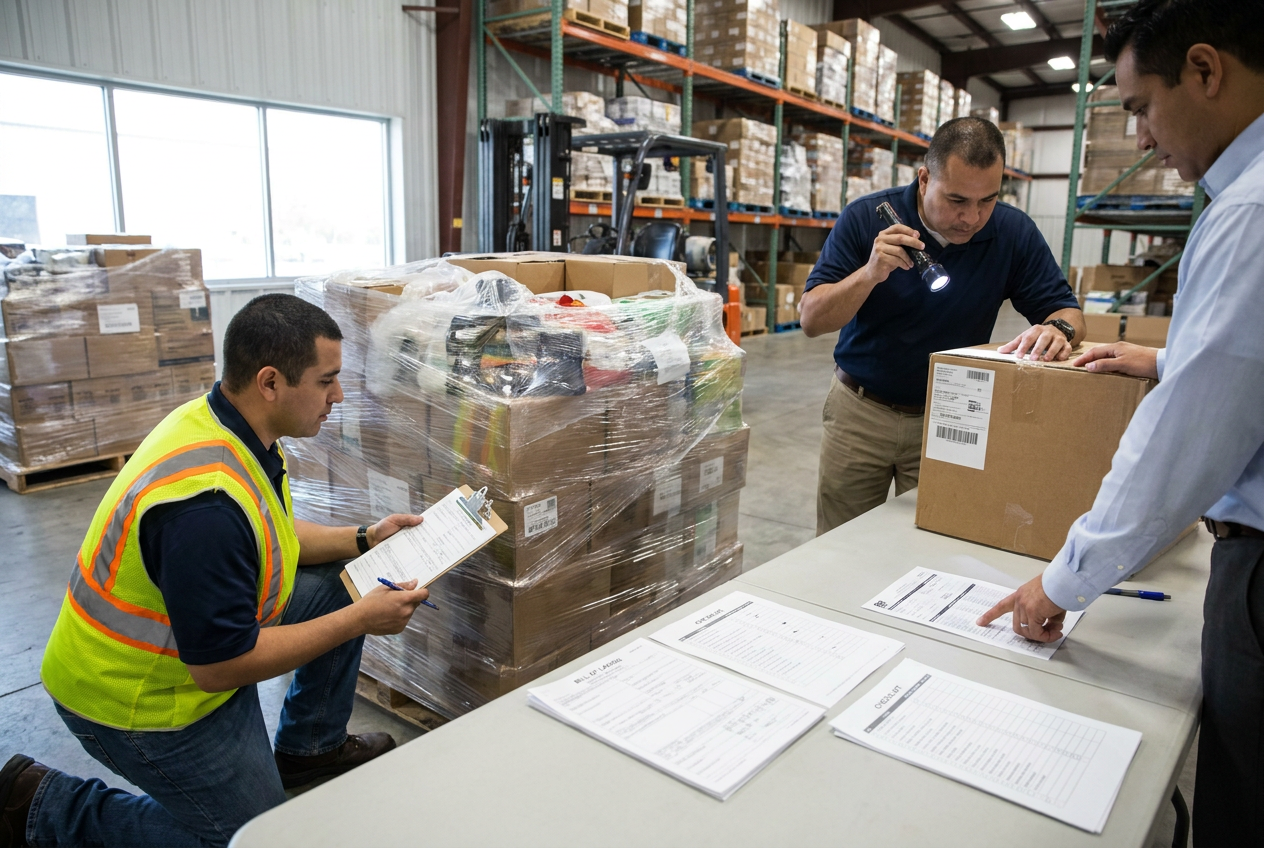
A liquidation bill of lading connects the shipment you ordered with the freight the carrier transports. For an independent reseller, checking it carefully can reveal an incorrect destination, an ambiguous pallet count, or a shipment reference that does not match the purchase—before those differences become harder to resolve.
A bill of lading, usually abbreviated BOL, is a transportation document that identifies the freight, the parties involved, and shipping instructions. It serves as a receipt when the carrier accepts freight and documents transportation terms. It is not an item-by-item inventory guarantee. For the broader purchasing process, start with our guide to buying liquidation truckloads; this article focuses on verifying the shipping record.
The practical goal is straightforward: reconcile the BOL with your order before dispatch, then compare it with what physically arrives before signing the delivery record. Keep merchandise details, transportation facts, and payment records separate but connected.
What a liquidation bill of lading does—and does not do
A truckload is a quantity of freight arranged for truck transportation; a liquidation listing may also use the word to describe a merchandise lot. A full trailer means the trailer is dedicated to that shipment, not necessarily that every cubic foot is occupied. LTL, or less-than-truckload shipping, combines smaller shipments from multiple shippers in a carrier network.
Those distinctions matter because a listing title alone does not establish the actual transportation arrangement. Ask whether your shipment is palletized or floor-loaded, and whether the stated count refers to handling units or merchandise pieces. A liquidation pallet is merchandise grouped on a pallet for handling; its internal contents are a separate inventory question.
The BOL commonly functions as a freight receipt and evidence of the transportation contract. Domestic motor-freight BOLs are generally nonnegotiable shipping records; do not assume yours is a negotiable title document.
For transportation comparisons, see partial truckload versus full truckload for liquidation buyers. Trailer capacity, unloading equipment, and inventory storage deserve separate planning rather than assumptions based on the BOL.
Key takeaway: A signed freight record establishes what was acknowledged at handoff—not that every product inside wrapped pallets was counted, tested, or accepted as defect-free.
BOL, merchandise manifest, and supplier invoice compared
A merchandise manifest is an inventory description supplied for a lot. It may list product names, quantities, identifiers, or other merchandise information, depending on the listing. A supplier invoice records the commercial transaction: what was purchased and the amount billed.
| Document | Primary purpose | What buyers should compare | What it does not establish alone |
|---|---|---|---|
| --- | --- | --- | --- |
| Bill of lading | Identify freight and record carrier acceptance | Parties, shipment references, handling units, weight, instructions | Complete contents or working condition |
| Merchandise manifest | Describe merchandise within the lot | Listed items, quantities, identifiers, stated scope | Carrier receipt or payment status |
| Supplier invoice | Record the sale | Purchased lot, price, order reference, buyer details | Physical delivery condition |
| Delivery receipt or POD | Record delivery acknowledgment | Arrival date, received count, exceptions, signature | Inspection of every concealed item |
POD means proof of delivery. It may be a separate document, an electronic record, or a delivery acknowledgment associated with the BOL. Confirm which record the driver expects you to sign.
For example, a manifest could describe hundreds of merchandise pieces while the BOL describes several wrapped pallets. Those numbers need not match: they measure different things. The problem is an unexplained difference between the documented shipping units and the units actually tendered or delivered.
Save the listing, any available manifest, invoice, BOL, and delivery receipt under the same order reference. Do not assume every liquidation lot includes an itemized manifest.
The shipment fields buyers should verify
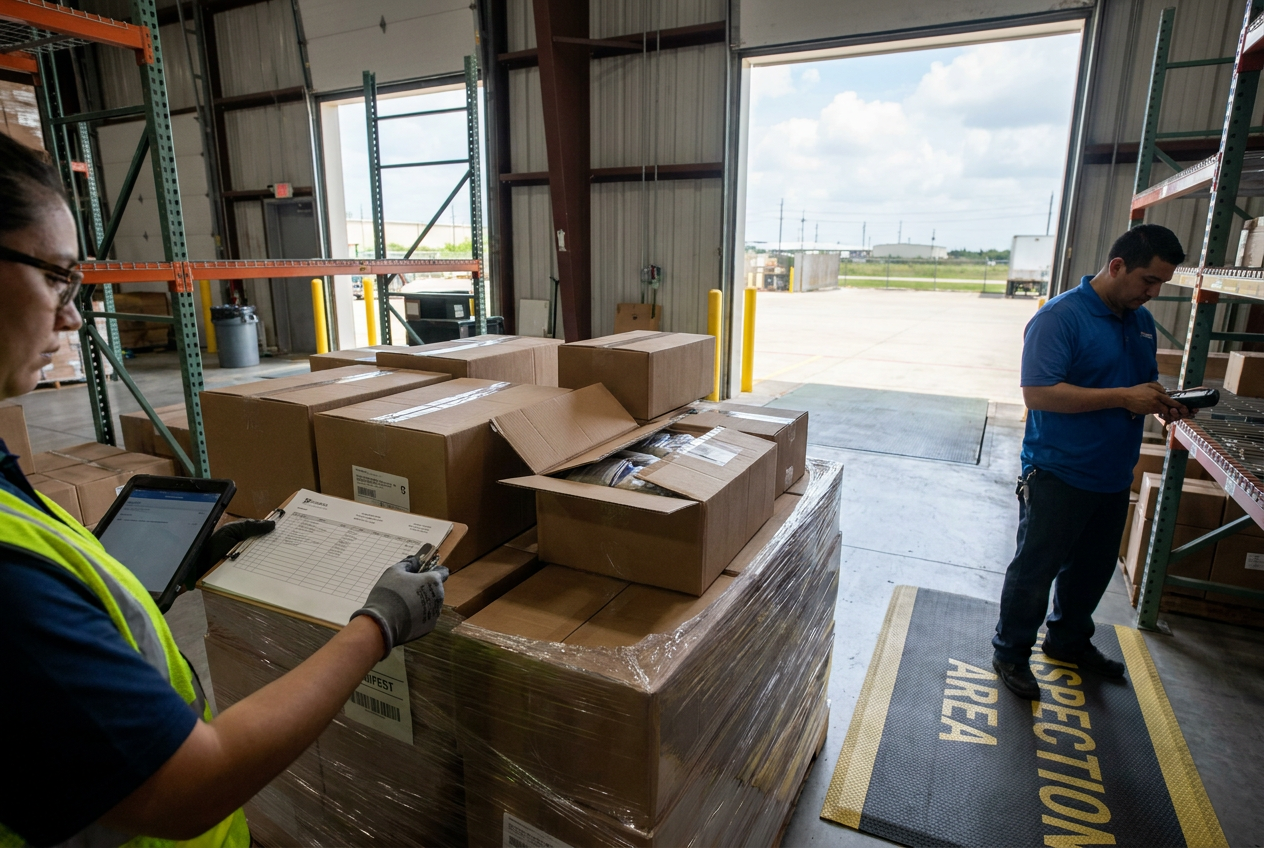
Review a draft or available shipping record before dispatch where possible. If something is incorrect, request a documented correction through the supplier or carrier rather than silently editing your own copy.
| Field | What to verify | Why it matters |
|---|---|---|
| --- | --- | --- |
| Shipper and pickup location | Shipping party and physical origin | The billing seller and pickup facility may differ |
| Consignee | Receiving business or person | Identifies who should receive the freight |
| Delivery address | Street, unit, city, state, ZIP | Must identify the actual receiving site |
| Receiving contact | Name and working phone number | Supports delivery coordination |
| BOL and order references | Connection to the purchased lot | Prevents confusion between similar orders |
| Carrier and tracking reference | Assigned carrier and PRO number, if issued | Supports shipment tracing |
| Ship date | Actual or planned pickup date | Separates preparation from transit |
| Handling-unit count | Pallets, cartons, crates, or other units | Establishes what to count at arrival |
| Commodity description | Accurate general freight description | Distinguishes the shipment without implying an itemized manifest |
| Weight and units | Total stated weight and pounds or kilograms | Supports freight identification and safe handling planning |
| Freight classification, if applicable | Carrier-required classification details | Particularly relevant to LTL documentation |
| Trailer and seal, if used | Equipment and seal identifiers | Helps document shipment continuity |
| Instructions and signatures | Receiving requirements and handoff acknowledgments | Records instructions and custody events |
A PRO number is a carrier-assigned tracking reference commonly used in LTL freight. It is not necessarily the same as the BOL number or your order number. Preserve all three when they exist.
Resolve count and weight ambiguity
“Pieces” might mean pallets, cartons, or individual articles. Ask what the number represents. If freight is floor-loaded, a pallet count may be inapplicable; the document should describe the actual shipping units rather than imply palletized delivery.
Also distinguish estimated weight from verified weight. A total shipment weight is not automatically the load on each pallet. Do not use it to infer that every handling unit is within your equipment's capacity.
Read count qualifications and seal entries carefully
Terms such as “shipper load and count” or “said to contain” can indicate that the carrier did not independently verify concealed contents. Their significance depends on the document and circumstances; they are not proof of a particular internal merchandise count.
If a seal is used, compare its number before opening when safe and practical. Record mismatches or an unexpected broken seal, but do not treat an intact seal as proof that every item is present or undamaged.
Connect the BOL to the actual liquidation listing
Condition grade means the seller's stated merchandise condition description. Customer returns, overstock, shelf pulls, and salvage describe different inventory circumstances; they should not be treated as interchangeable or as universally standardized grades. Overstock and shelf pulls are not automatically new.
A BOL entry such as “general merchandise” does not override the listing's condition description. Likewise, “as-is” wording does not explain a lot's contents by itself or replace applicable policy terms.
Compare the specific listing within our truckload category or general merchandise category, rather than treating a category label as a complete description. The Amazon General Merchandise Truckload listing and Macy’s Textile Truckload listing, for example, are separate product references: each order must be reconciled against its own current description.
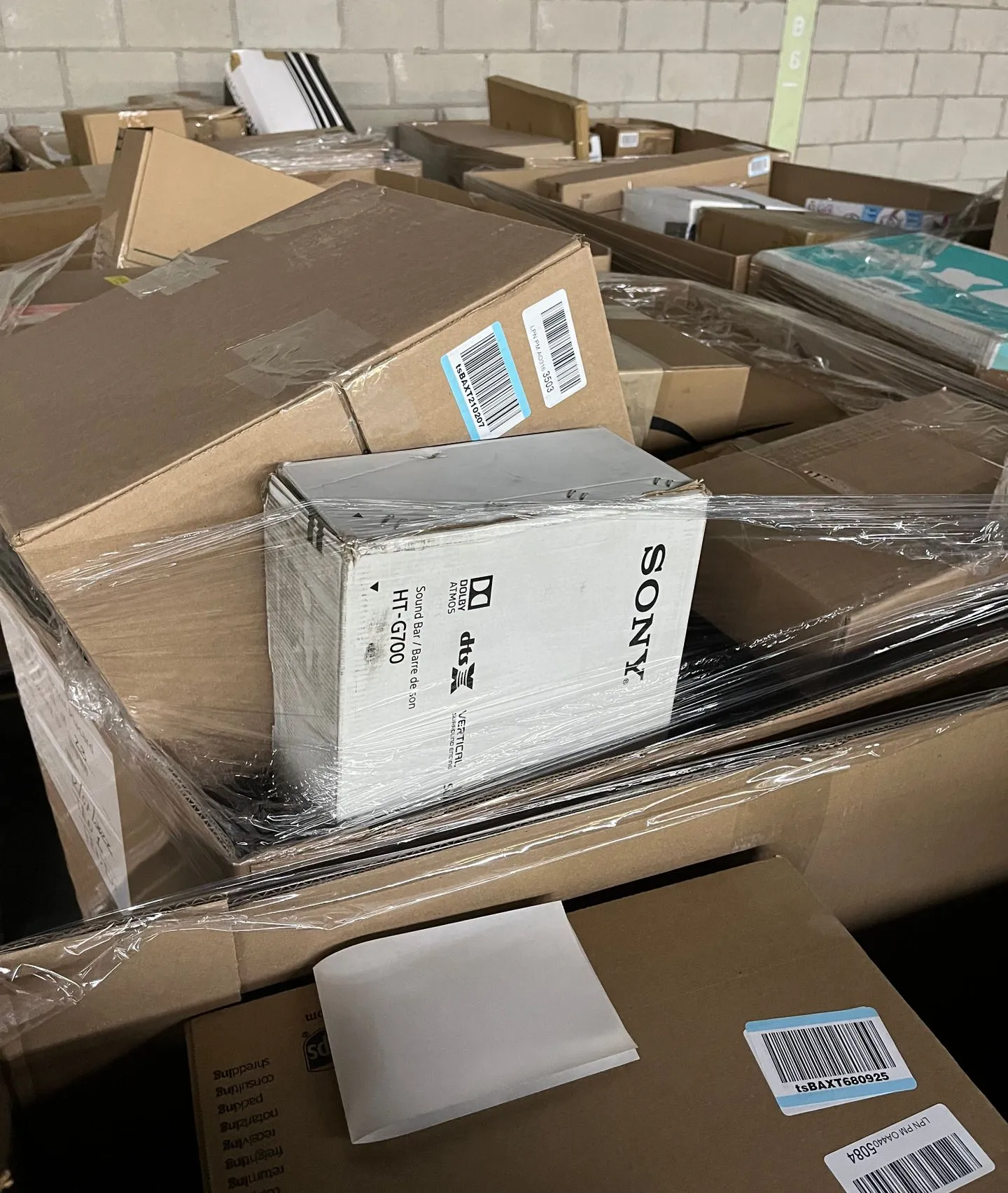
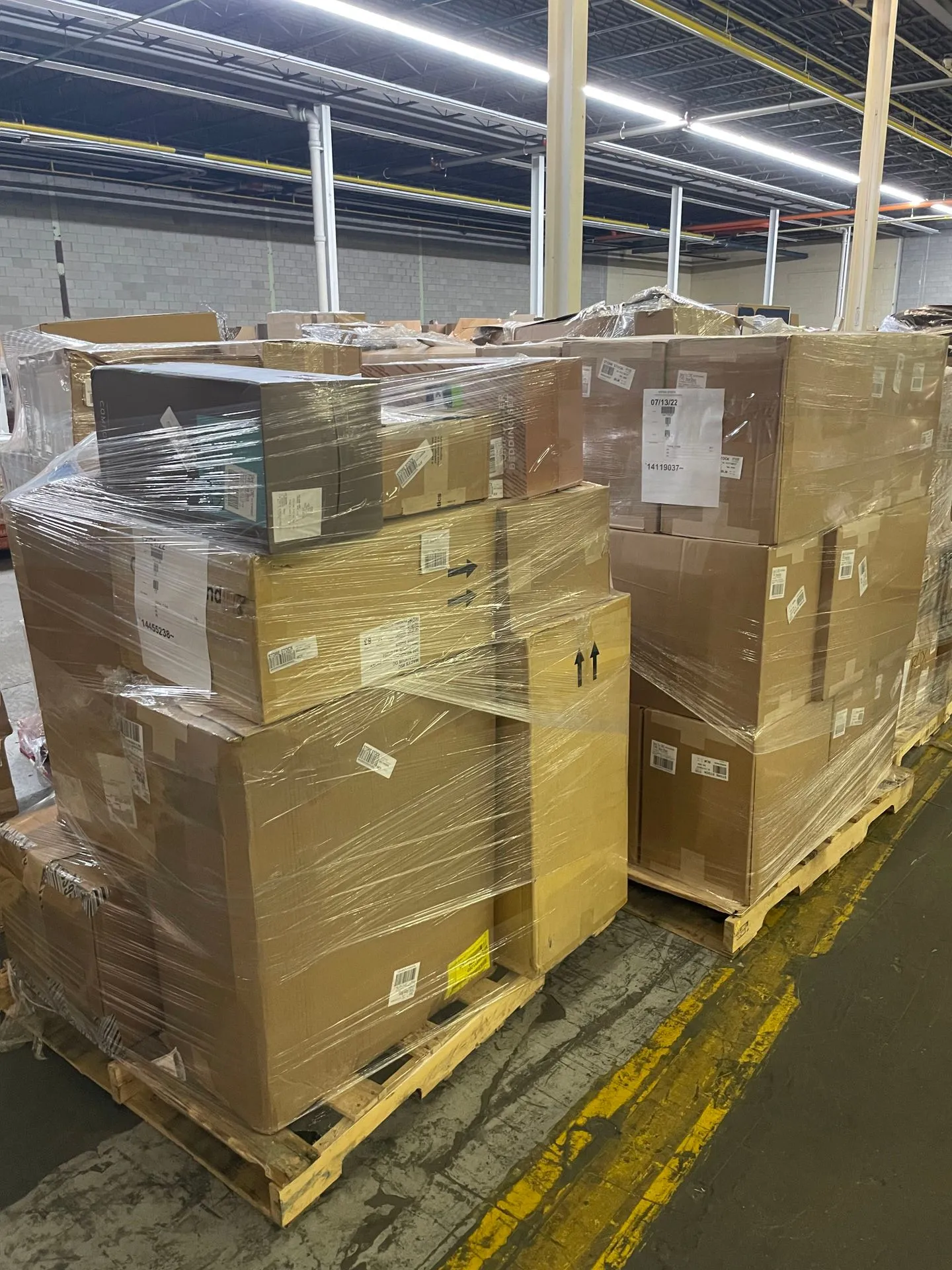
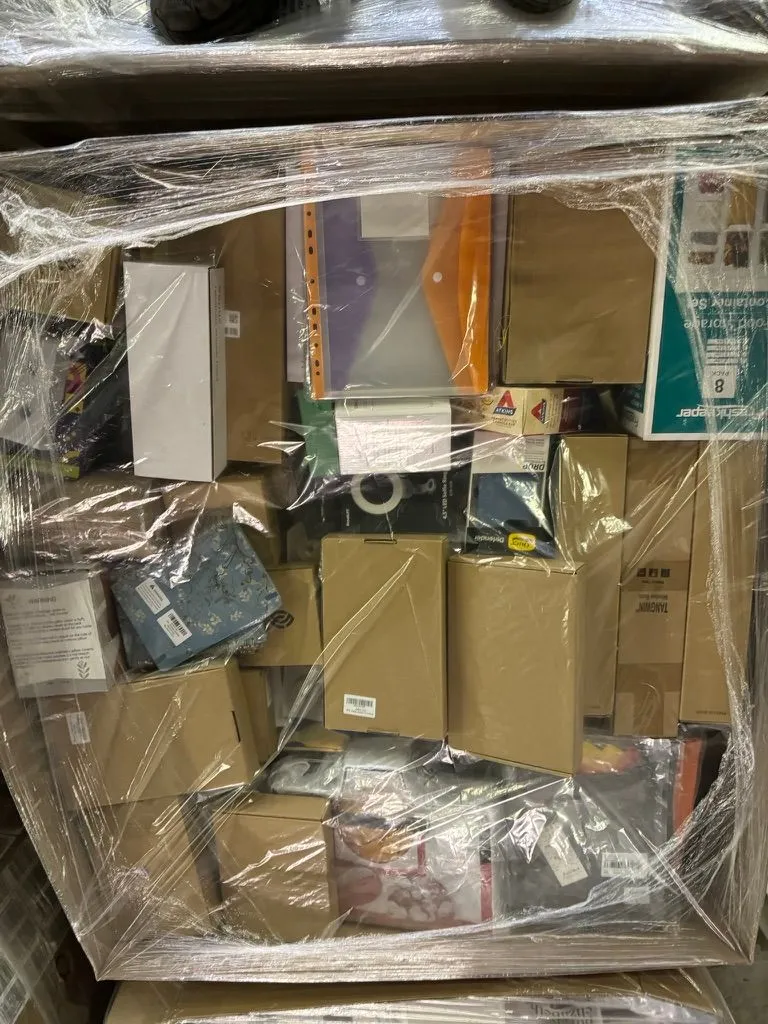
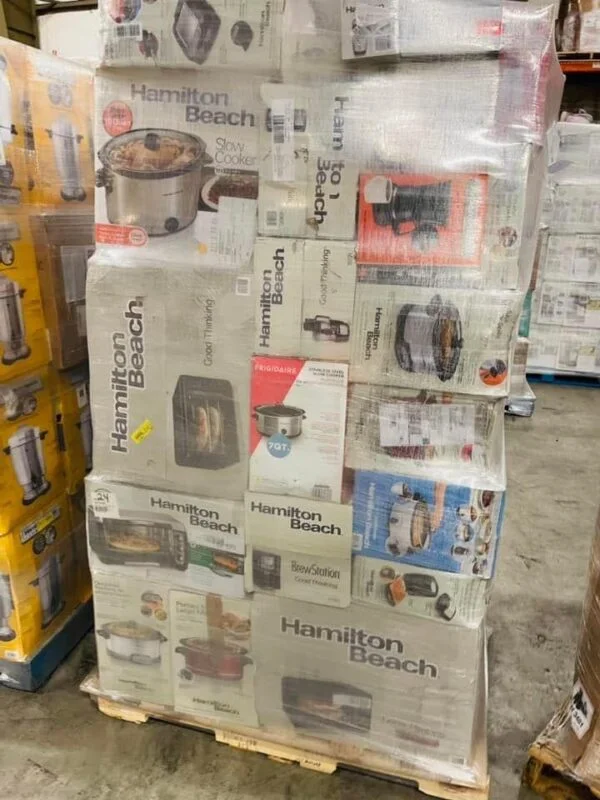
Photos show representative loads. Contents of each pallet vary, pallets are not individually tested, and contents are sold as described in the listing. PalletCove is an independent reseller and is not affiliated with, endorsed by, or sponsored by any retailer named.
Whether comparing liquidation truckloads for sale or smaller liquidation pallets, use the same document discipline. Transportation paperwork should identify the lot, not create unsupported promises about its resale value or condition.
Ordering, payment, and free shipping information
Free shipping means freight is included in the listed price. It is PalletCove's only delivery option on every order to all 48 contiguous states. A carrier's internal billing notation should not be mistaken for a new merchandise price; ask the order desk to clarify unfamiliar entries rather than interpreting them as a separate buyer obligation.
The ordering sequence also helps you distinguish documents:
- Submit the website order form; no payment is collected on that form.
- After order review, receive a secure card link by email.
- Pay using a credit or debit card: Visa, Mastercard, American Express, or Discover. These are the only accepted payment method.
- Keep the order and payment records, then reconcile the shipment documents when available.
Valid resale certificates are reviewed and applied where the buyer's state allows.
Handling takes 1–3 business days after payment clears. Transit is typically 3–7 business days from Houston, for an estimated 4–10 business days total. The processing cutoff is 2:00 PM Central Time, America/Chicago, Monday–Friday; after-cutoff confirmations begin the next business day. Weekends and applicable holidays do not count.
Review the free-shipping and handling policy when checking dates. Buyers sourcing liquidation pallets in Texas and liquidation pallets in Florida should verify the actual receiving address equally carefully; a billing address is not necessarily the delivery location.
Delivery-day verification before signing
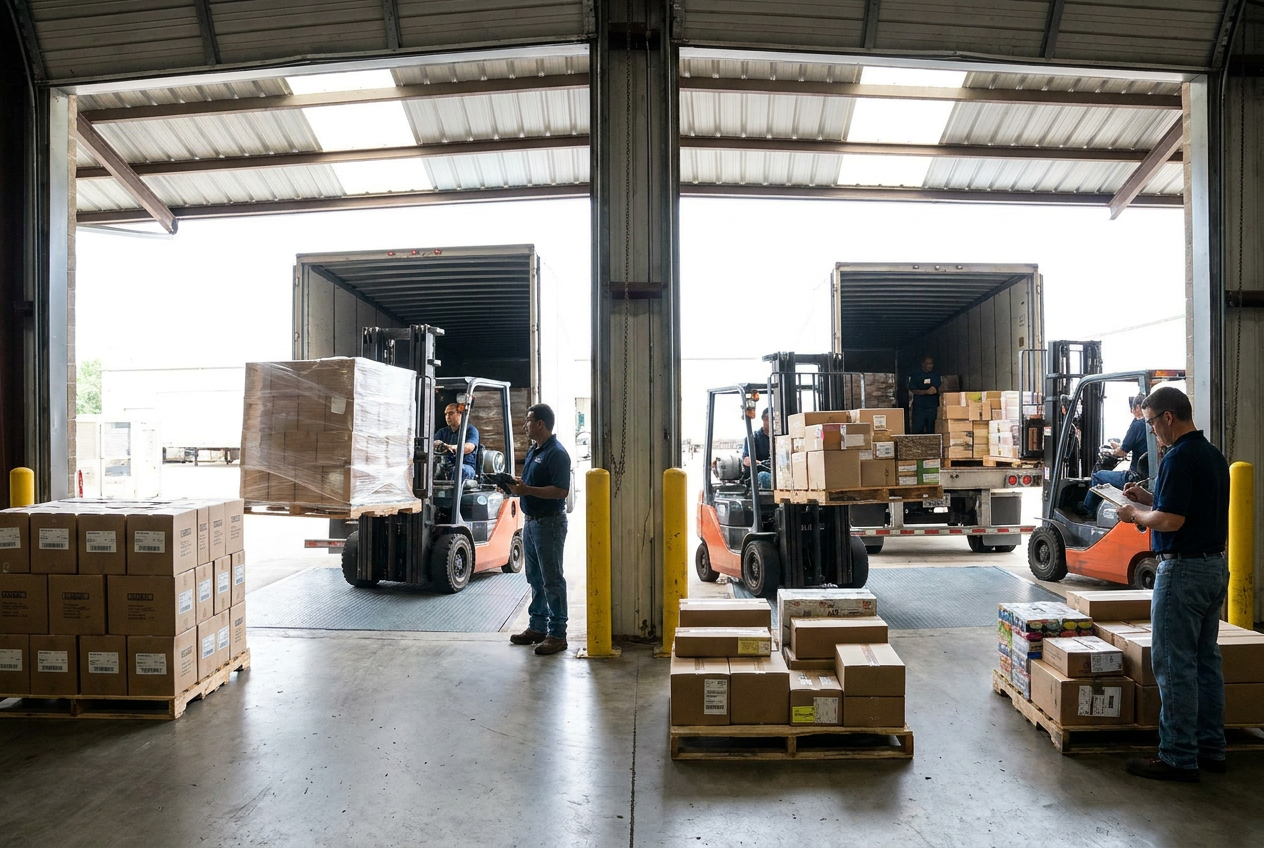
A loading dock is a raised receiving platform that provides access between a building and a truck or trailer. Confirm your receiving arrangement before dispatch, including site access and suitable unloading equipment. Put essential delivery instructions in the shipping record, but also confirm they have been communicated to the carrier.
Use our freight delivery appointment guide for scheduling details. Do not assume a universal 24-hour advance call or treat an estimated arrival date as a confirmed appointment.
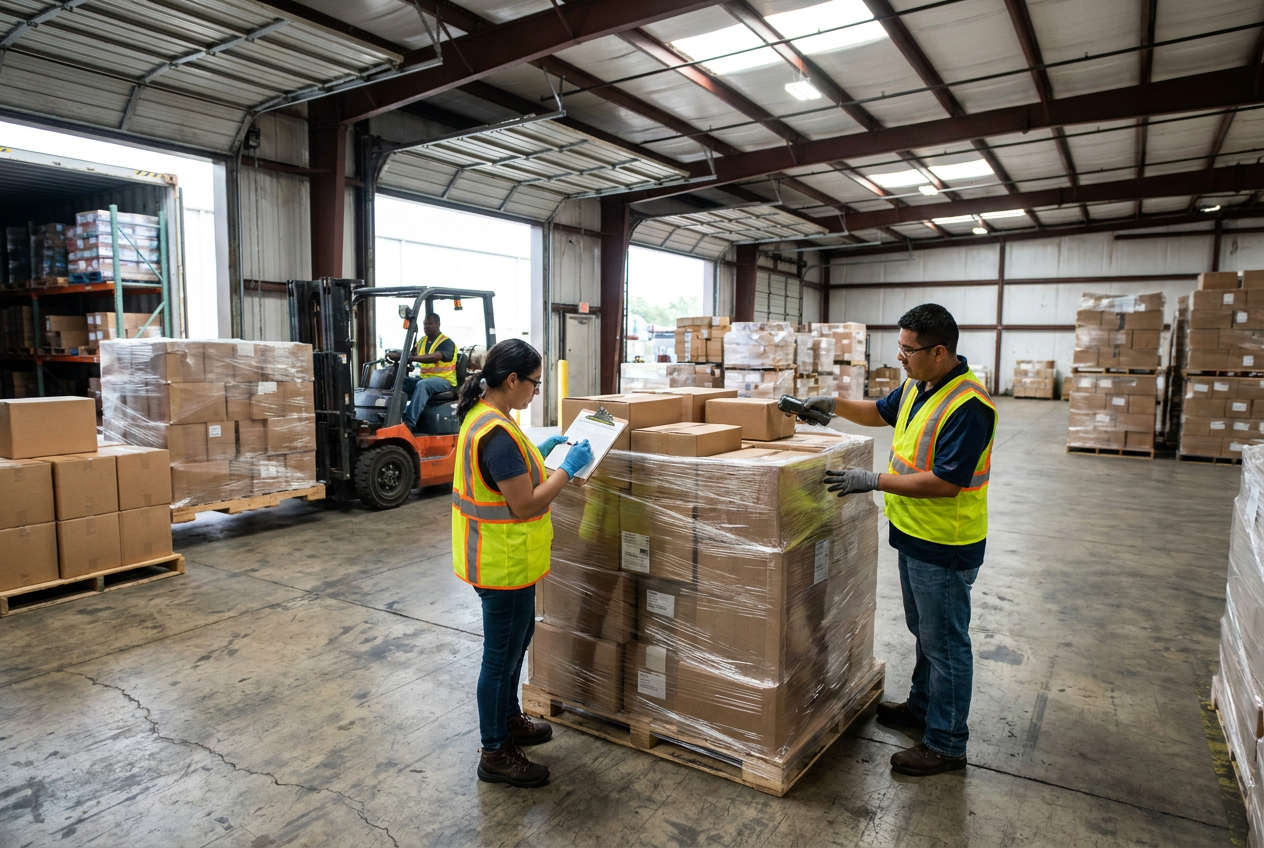
At arrival:
- Match the shipment references to your order before unloading.
- Compare trailer and seal identifiers where applicable and safely accessible.
- Count the handling units you can actually verify.
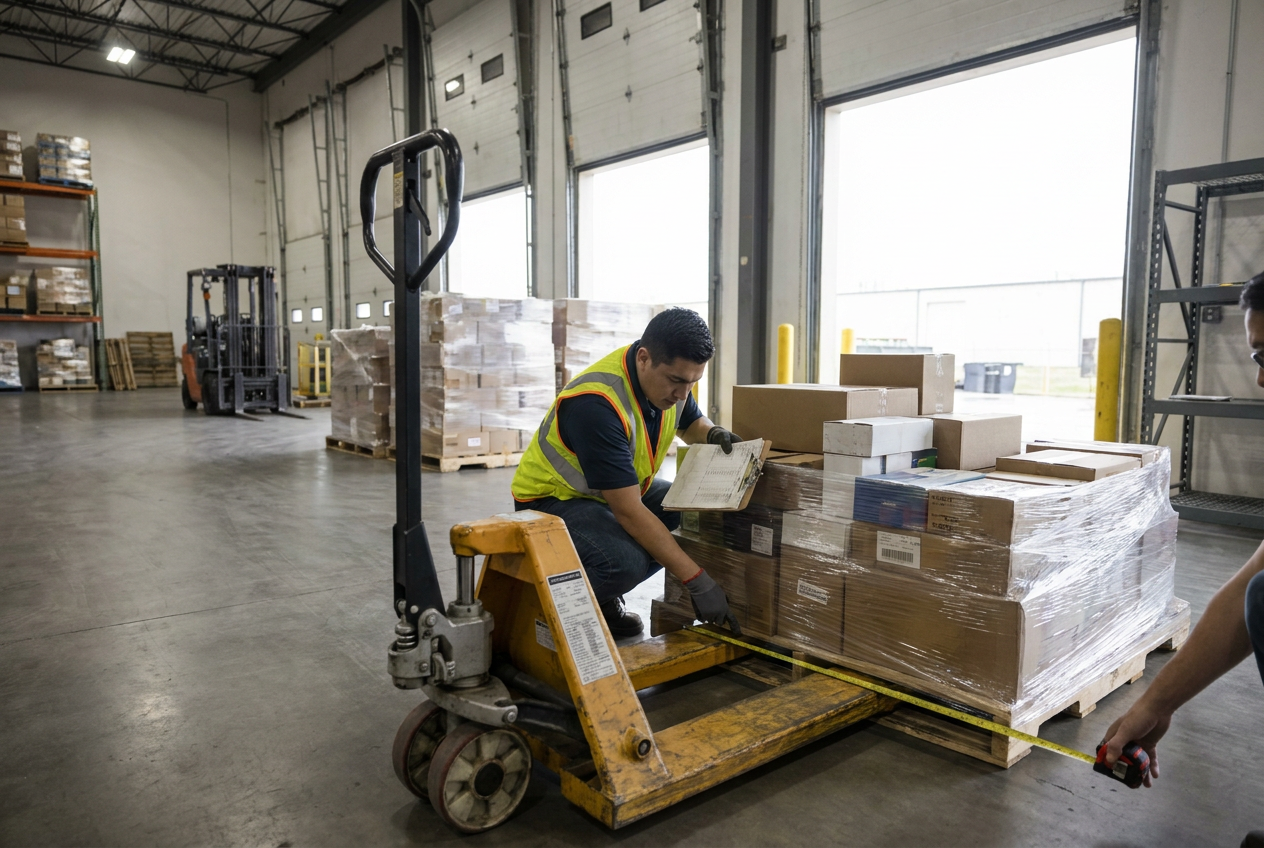
- Photograph visible freight condition, labels, wrapping, and discrepancies without entering unsafe areas.
- Record specific shortages or visible damage on the delivery record before signing.
- Obtain a copy of the signed record, including any electronic exception notes.
Specific wording is more useful than “damaged.” For example: “One received pallet has torn wrap and visibly crushed outer cartons.” Record observed facts, not assumptions about when damage happened or who caused it. If you cannot verify concealed contents, do not represent that you counted them.
Discrepancies, claims, and mistakes to avoid
If the address, shipment identity, count, or visible condition does not match, contact the order desk promptly for instructions. Do not decide that every discrepancy requires refusing the shipment; the appropriate response depends on the issue and applicable terms.
Request delivery-issue reporting within 48 hours, with the order reference, BOL, delivery receipt, photographs, and a concise description. Preserve relevant packaging and avoid disposing of disputed merchandise before receiving instructions. A delivery notation supports the record but does not itself guarantee claim approval.
Under the Refund & Returns Policy, United States products explicitly listed as NEW ONLY qualify for defective and non-defective returns and exchanges within 30 calendar days of delivery. Returns are by mail; the customer is responsible for the return label and shipping. A restocking fee of 15% of the product price applies, and refunds are processed within 10 calendar days after authorized return receipt and inspection, or approval where no physical return is required.
Mixed and used loads have separate claims terms, not routine change-of-mind returns. The requested 48-hour delivery-issue reporting window does not shorten eligible new-product 30-day returns.
Common mistakes include treating a pallet count as an item count, signing without recording visible exceptions, assuming the BOL guarantees product functionality, and retaining only the invoice. Keep both the original documents and any corrected versions so changes remain traceable.
Frequently asked questions
Is a liquidation bill of lading the same as a manifest?
No. The BOL describes the freight movement and shipping units; the manifest describes merchandise within the lot. Match both to the order, but do not expect their counts to use the same units.
Who should correct an inaccurate BOL?
Notify the supplier or carrier as soon as you identify the issue and request a documented correction. Keep the original and revised records rather than making an unacknowledged change to your copy.
Does signing mean every item works?
No. A delivery signature is not an item-level functionality test. Record visible exceptions accurately, and use the listing and applicable policy to evaluate merchandise concerns discovered afterward.
What if damage is hidden inside a wrapped pallet?
Photograph the condition when discovered, preserve relevant packaging, and report the issue promptly with your shipment references. A clean exterior inspection does not establish the condition of concealed contents, but later claims still depend on the evidence and applicable terms.
Do I need a BOL if shipping is free?
Yes. Free shipping concerns the included freight cost, while the BOL documents transportation. You still need a reliable record of shipment identity, destination, handling units, and delivery acknowledgment.
Talk to PalletCove Liquidation
A useful receiving file connects the listing, invoice, manifest if supplied, BOL, and signed delivery record. Verify shipping facts before dispatch, document what arrives, and keep merchandise condition questions tied to the actual listing. Return to our liquidation truckload buying guide for the wider purchasing workflow.
For help reconciling an order with its shipment details, contact our order desk or review current inventory.
PalletCove Liquidation LLC
4000 Telephone Rd Unit B11, Houston, TX 77087
Phone: (713) 819-3904
Email: sales@palletcoveliquidation.com
Hours: Mon–Fri 8:00 AM – 6:00 PM CT, Sat 9:00 AM – 2:00 PM CT, Sun closed
About PalletCove Liquidation
Published by PalletCove Liquidation LLC, based in Houston, Texas. Our buying guides cover evaluating liquidation inventory and preparing for delivery. Consult the current product listing and store policies for purchase terms.