At a glance
Tested working liquidation describes function, not appearance or completeness. Learn which test records, manifest details and supplier terms to verify before buying a pallet or truckload.

Tested working liquidation usually means merchandise passed some functional check before being offered for sale. The critical question is what that check covered. A power indicator turning on, a completed operating cycle and a documented battery-runtime test provide very different evidence.
The designation does not, by itself, establish cosmetic condition, completeness, safety certification or warranty coverage. For the broader differences among inventory sources and grades, start with our liquidation pallet types and condition grades. Here, the focus is narrower: what a functional claim actually supports and what an independent reseller should request in writing.
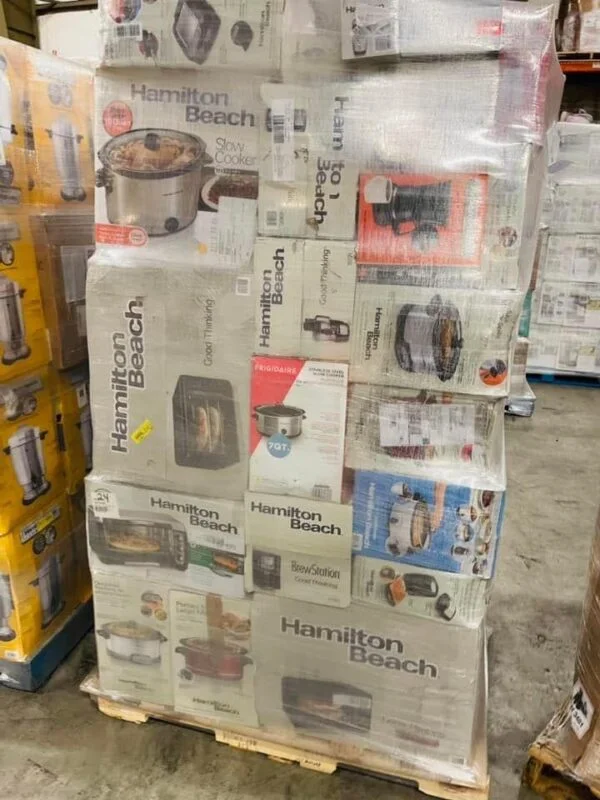
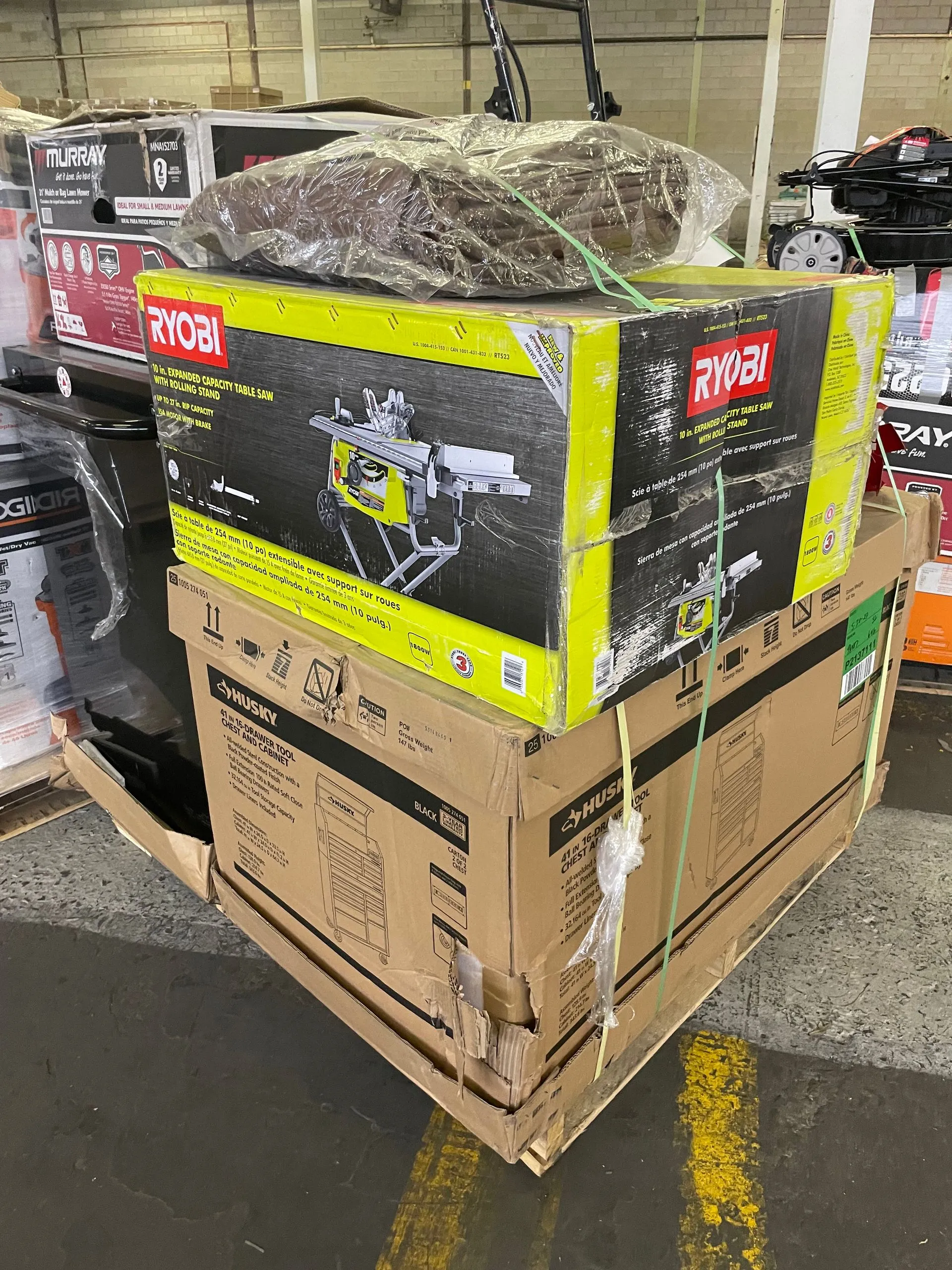
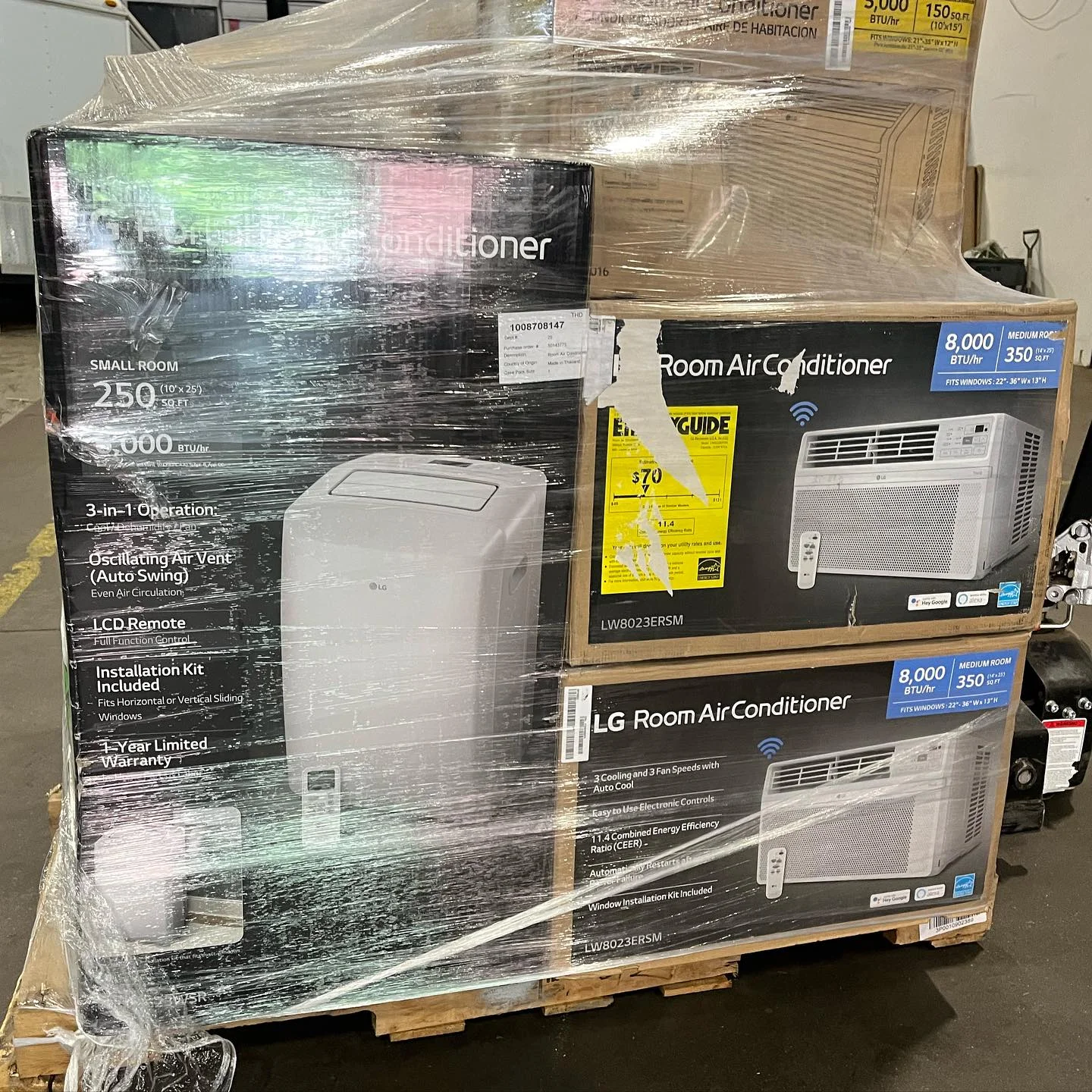
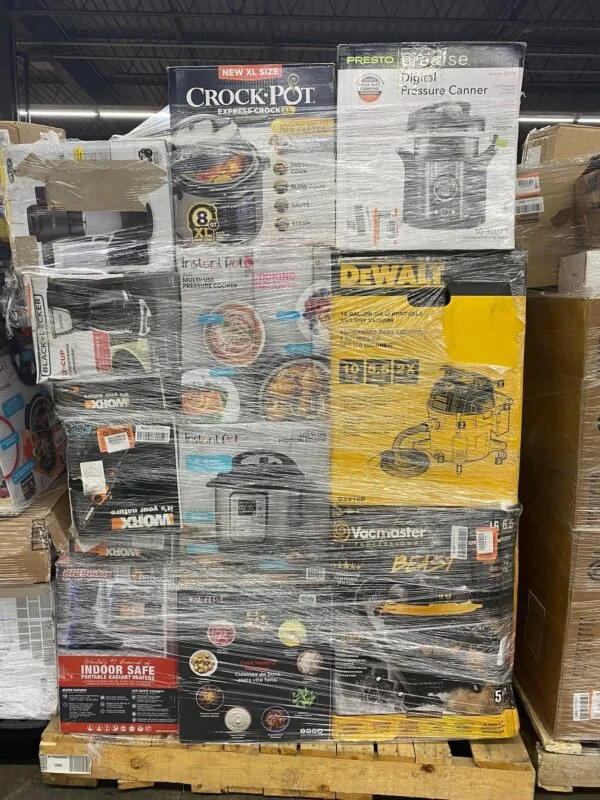
At PalletCove, photos show representative loads, each pallet’s contents vary, and pallets are not individually tested. Contents are sold as described in the listing. The procedures below are buyer-verification questions, not a statement that PalletCove performs item-level testing.
What a tested-working designation does—and does not—establish
A condition grade is a supplier’s classification of merchandise quality or status. Unless the supplier provides a definition, a label such as “tested working” does not tell you which functions passed, who tested them or how much of the load was checked.
Separate these four dimensions before evaluating a liquidation pallet:
| Dimension | What it describes | Evidence to request |
|---|---|---|
| --- | --- | --- |
| Functional status | Whether specified operations worked under stated conditions | Procedure, date, results and exclusions |
| Cosmetic condition | Scratches, dents, wear, staining or packaging damage | Written criteria and relevant condition notes |
| Completeness | Presence of required parts, accessories and documentation | Included-component checklist and missing-parts notes |
| Sale terms | Remedies, exclusions and applicable coverage | Listing terms, claims procedure and warranty details |
For example, an appliance might complete a basic operating cycle while having a cracked removable tray. A cordless tool might run with a test battery that is not included. Neither result proves the merchandise is complete or ready to offer to a retail customer.
Treat “tested working” as a claim about a documented procedure—not as shorthand for complete, undamaged or guaranteed.

How inventory source and load type affect the claim
Customer returns are goods previously returned by customers; their use and reasons for return vary. Overstock is excess inventory, while shelf pulls are goods removed from sales displays or store shelves. Those source descriptions do not independently establish functionality or new condition.
Salvage describes merchandise offered with substantial defects or for repair, parts recovery or other recovery uses, according to the listing. As-is describes the basis on which merchandise is offered, subject to the stated terms; it is not a test procedure and does not automatically override an explicit description.
A tested-working claim can appear alongside different source descriptions. Ask whether it applies to every included unit, a particular group or merely a sampled portion. For mixed loads, our guide to interpreting mixed-condition liquidation pallets explains why one label should not be applied to the whole assortment.
Scale does not strengthen the evidence. A category-level pallet and a full trailer both need a clear definition of what was tested. Likewise, general merchandise inventory and liquidation truckload listings describe buying formats or assortments, not a uniform testing standard. The liquidation buying overview provides broader context without treating source, grade and shipment size as interchangeable.
Which testing procedures and results to request
Ask for a written test protocol before interpreting a pass result. A useful protocol describes the operation performed, the conditions used and the threshold for passing. “Checked,” “looks good” and “powers up” leave substantial uncertainty.
Establish the scope and traceability
Request answers to these questions:
- Who performed the check, and when? Was the statement supplied upstream or verified by the seller?
- What identifier connects the record to the offered merchandise: lot number, model, serial number or another reference?
- Was every relevant unit checked, or was a sample used? If sampled, how was it selected?
- Which functions were tested, and for how long?
- What counted as a pass, failure or incomplete test?
- Were failed and untested units removed, separated or left in the lot?
- Were accessories supplied with the goods used, or were external test accessories substituted?
- Were repairs performed before retesting, and are any limitations recorded?
A sample can describe the checked units, but it does not establish that every untested unit works. If the supplier cannot provide the scope, retain that uncertainty in your buying decision rather than converting it into a presumed pass rate.
Match the test to the product’s intended operation
A meaningful procedure depends on the merchandise. These are examples of records to request, not services promised with a PalletCove order:
| Merchandise example | Useful procedure detail | Important limitation |
|---|---|---|
| --- | --- | --- |
| Powered appliance | Operating cycle, controls exercised and observed errors or leaks | A brief run may miss intermittent faults |
| Cordless tool | Trigger, speed settings and operation under an appropriate load | Running without load does not establish performance under load |
| Battery-powered device | Charging behavior, runtime conditions and observed result | “Charges” does not establish remaining battery capacity |
| Connected electronics | Ports, connectivity and reset or activation status | Successful startup does not establish all features work |
| Accessory-dependent product | Exact accessory used and whether it is included | A unit can pass using parts absent from the shipment |
Distinguish measured results from observations. A recorded duration or reading is more specific than “battery good,” but still needs test conditions to be meaningful. Ask whether intermittent failures, unusual noise, overheating or visible damage were recorded.
A functional check is not a safety certification or recall clearance. Before resale, check applicable recall information and category-specific requirements. Do not energize visibly damaged electrical merchandise merely to reproduce a seller’s claimed result; use qualified help where appropriate.
How to connect test evidence to the manifest
A manifest is a document describing the merchandise offered in a lot, often including product descriptions and quantities. Some manifests are detailed; others are lot summaries. Neither format automatically contains verified test results.
Keep a manifest and a test report conceptually separate. The manifest identifies what is offered; the report records what was checked. They become useful together when their identifiers match.
Ask the supplier to document:
- The lot identifier and version or date of the manifest.
- Whether quantities are estimates or represented as confirmed counts.
- Which lines carry the tested-working designation.
- Whether results are unit-specific, line-level or sample-based.
- Missing accessories, cosmetic exceptions and untested functions.
- Any substitutions or changes after the document was prepared.
For line-by-line interpretation, use our guide to reading a liquidation manifest. With manifested versus unmanifested loads, the practical distinction is how much merchandise detail you can verify before purchase—not whether testing necessarily occurred.
A lot-summary manifest saying “working electronics” is weaker evidence than a defined test scope tied to identifiable merchandise. If records conflict with the listing, request clarification before ordering and retain the written response. Representative photographs cannot resolve every completeness or functionality question.

Compare prices and place an informed order
Compare listed prices against the documented description, not the appeal of a grade name. Your internal budget should consider sorting time, inspection labor, replacement accessories, possible repairs, storage and responsible disposal. These are planning considerations, not promised costs or returns.
A supposed testing premium is difficult to evaluate without a defined procedure. Do not assign an invented working percentage to compensate for missing records. If your operation requires documented functionality, an undocumented lot may simply be unsuitable.
When reviewing the Bulk Hamilton Beach Truckload or Home Depot Tool and Hardware Truckload, use each current listing’s actual condition and contents description. Their inclusion here does not designate either offering as tested working. PalletCove is an independent reseller and is not affiliated with, endorsed by or sponsored by any retailer named.
Before submitting an order, save the listing, available manifest and written clarifications. Confirm what is included and which terms apply. Valid resale certificates are reviewed and applied where the buyer’s state allows.
Credit and debit cards—Visa, Mastercard, American Express and Discover—are the only accepted payment method. After order review, a secure card link is emailed; no payment is collected on the website order form.
Shipping and delivery-day inspection
Free shipping is the only delivery option on every order to all 48 contiguous states, and freight is included in the listed price. Buyers browsing liquidation pallets in Texas or liquidation pallets in Florida receive the same included-freight pricing structure. The liquidation pallets hub provides the broader inventory starting point.
Handling takes 1–3 business days after payment clears. Transit from Houston is typically 3–7 business days, for an estimated 4–10 business days total. The processing cutoff is 2:00 PM Central Time, America/Chicago, Monday–Friday; after-cutoff confirmations begin the next business day. Weekends and applicable holidays do not count.
LTL means less-than-truckload freight, where a shipment shares trailer capacity. A full trailer involves a larger load. Confirm receiving requirements and unloading arrangements for your specific order rather than assuming the same setup works for both.
At delivery:
- Photograph the load, wrapping and visible damage before disturbing them, when safe.
- Compare accessible shipping-unit counts and identifiers with the paperwork.
- Record visible exceptions on delivery documentation where possible.
- Preserve labels, packaging, listing copies and relevant correspondence.
- During sorting, record item-level discrepancies separately from visible transit damage.
Delivery inspection is not a substitute for functional evaluation. Keep arrival evidence and later test observations clearly dated and distinguish damage from a failure of a described function.
Claims, returns and common buying mistakes
Request delivery-issue reporting within 48 hours so concerns can be documented promptly. That request does not shorten eligible new-product returns. Submit specific evidence: the listing statement, relevant lot or item identifier, photographs and a description of the discrepancy.
Under the United States Refund & Returns Policy, products explicitly listed as NEW ONLY qualify for defective and non-defective returns and exchanges within 30 calendar days of delivery. Returns are by mail, with the customer responsible for the return label and shipping. A 15% restocking fee applies to the product price; refund processing takes 10 calendar days after authorized return receipt and inspection, or approval where no physical return is required.
Mixed and used loads have separate claims terms, not routine change-of-mind returns. Overstock, shelf pulls, customer returns and salvage must not be treated as new without explicit verified listing evidence. A tested-working statement also does not create a warranty; review the warranty terms for applicable coverage.
Common mistakes include treating power-on as a complete functional test, assuming cosmetic grades describe operation, overlooking missing accessories and applying sample results to an entire truckload. Another is advertising every unit as tested before your own records support that statement. Preserve the supplier’s scope and disclose your own findings accurately.
Frequently asked questions
Does tested working mean refurbished?
No. Refurbishment generally involves work intended to restore an item, while testing may involve only checking it. Ask what repairs, replacement parts or servicing occurred rather than assuming either label establishes the other.
Can tested-working merchandise have missing parts?
Yes, unless the listing expressly establishes completeness. A supplier may have tested a unit with an accessory that is not included, so request a component list separately from functional results.
Is a power-on test enough?
It supports only a narrow claim that the item powered on under the recorded conditions. It does not establish runtime, performance under load, all controls or the absence of intermittent faults.
What if no test report is available?
Ask for a written explanation of the designation and its scope. If that remains unavailable, assess the purchase using the documented listing facts and unresolved uncertainty—not an assumed working rate.
Does PalletCove individually test pallets?
No. Pallets are not individually tested, photographs show representative loads and contents vary. Buy according to the actual listing description and seek clarification before ordering when functional status is essential to your requirements.
Talk to PalletCove Liquidation
The useful meaning of tested working liquidation depends on the procedure, its scope and the evidence connecting it to the offered goods. Keep functionality, appearance, completeness and remedies separate. Return to our guide to liquidation pallet types and grades for the broader condition framework.
For listing-specific questions, contact our order desk and review current inventory. Ask what documentation is available before choosing a pallet or truckload.
PalletCove Liquidation LLC
4000 Telephone Rd Unit B11, Houston, TX 77087
Phone: (713) 819-3904
Email: sales@palletcoveliquidation.com
Hours: Mon–Fri 8:00 AM – 6:00 PM CT, Sat 9:00 AM – 2:00 PM CT, Sun closed.
About PalletCove Liquidation
Published by PalletCove Liquidation LLC, based in Houston, Texas. Our buying guides cover evaluating liquidation inventory and preparing for delivery. Consult the current product listing and store policies for purchase terms.