At a glance
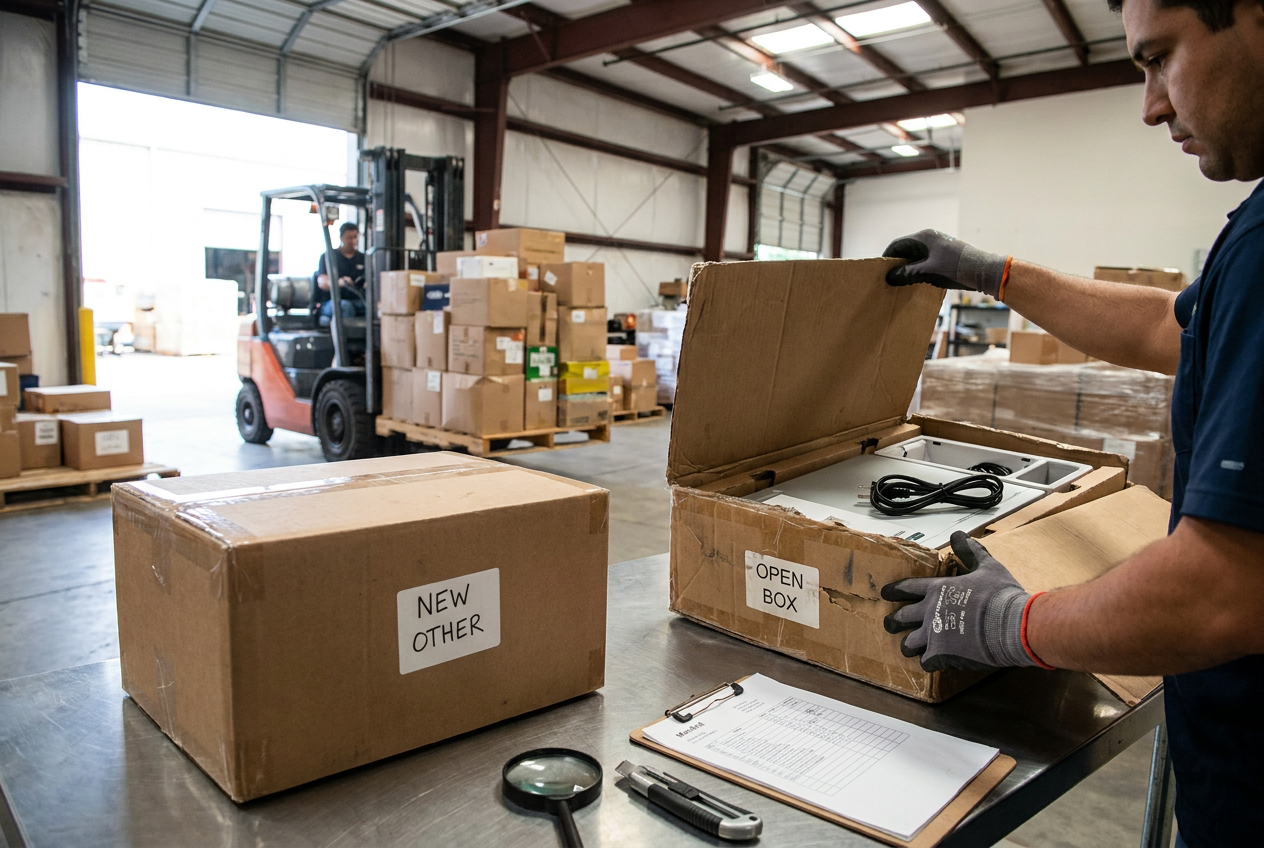
Learn what original seals, replacement tape and tamper indicators reveal about liquidation packaging—and how to verify condition without mistaking a closed box for a working product.
A closed box tells you something about its packaging, but much less about the product inside. For an independent reseller comparing factory sealed vs resealed merchandise, the useful question is not simply whether tape is intact. It is what that seal supports—and what still needs verification.
An original-looking closure can coexist with manufacturing defects, missing components or storage damage. Replacement tape can follow an inspection, a return or reinforcement of a weakened carton. Neither observation, by itself, establishes functionality. For the broader relationship between inventory sources and grading, start with the liquidation pallet types and condition guide.
This guide focuses on reading packaging evidence before purchasing a liquidation pallet or truckload, then preserving that evidence at delivery. The objective is a defensible buying decision and an accurate resale description, not a guess based on how clean a box looks.
What factory sealed vs resealed actually means
Factory sealed describes packaging closed through the manufacturer's original packaging process and not subsequently opened. Buyers often use the phrase more loosely to mean “looks unopened,” but appearance alone may not establish that history.
Resealed means packaging was opened and closed again. Replacement tape suggests that possibility, but extra tape can also reinforce an original closure without opening the package. Unless the opening history is documented, “additional tape present” is more precise than “definitely opened.”
A tamper indicator is a packaging feature designed to show evidence of access, such as a tear strip, breakable label or security seal that leaves a pattern when removed. A broken indicator supports an inference that the closure was disturbed; it does not explain who disturbed it or why.
Packaging evidence helps reconstruct access history. It is not a functionality test, a completeness check or a warranty.
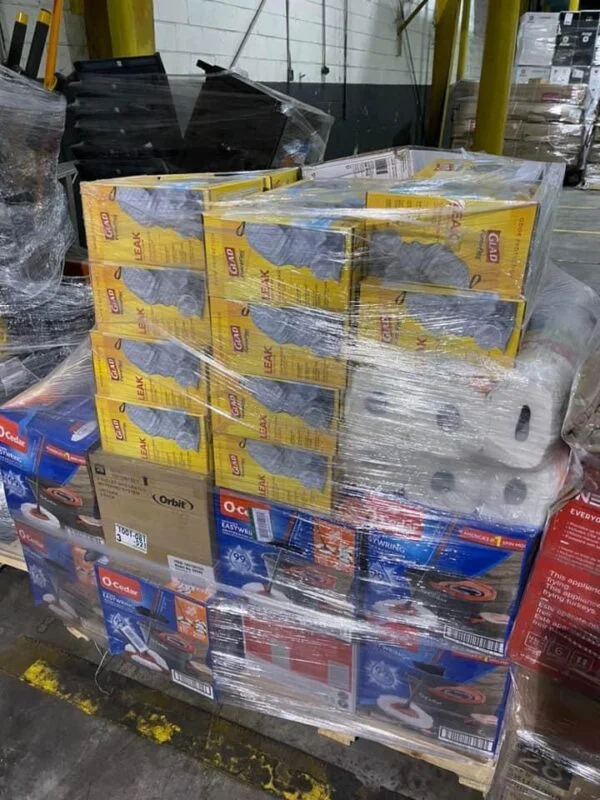
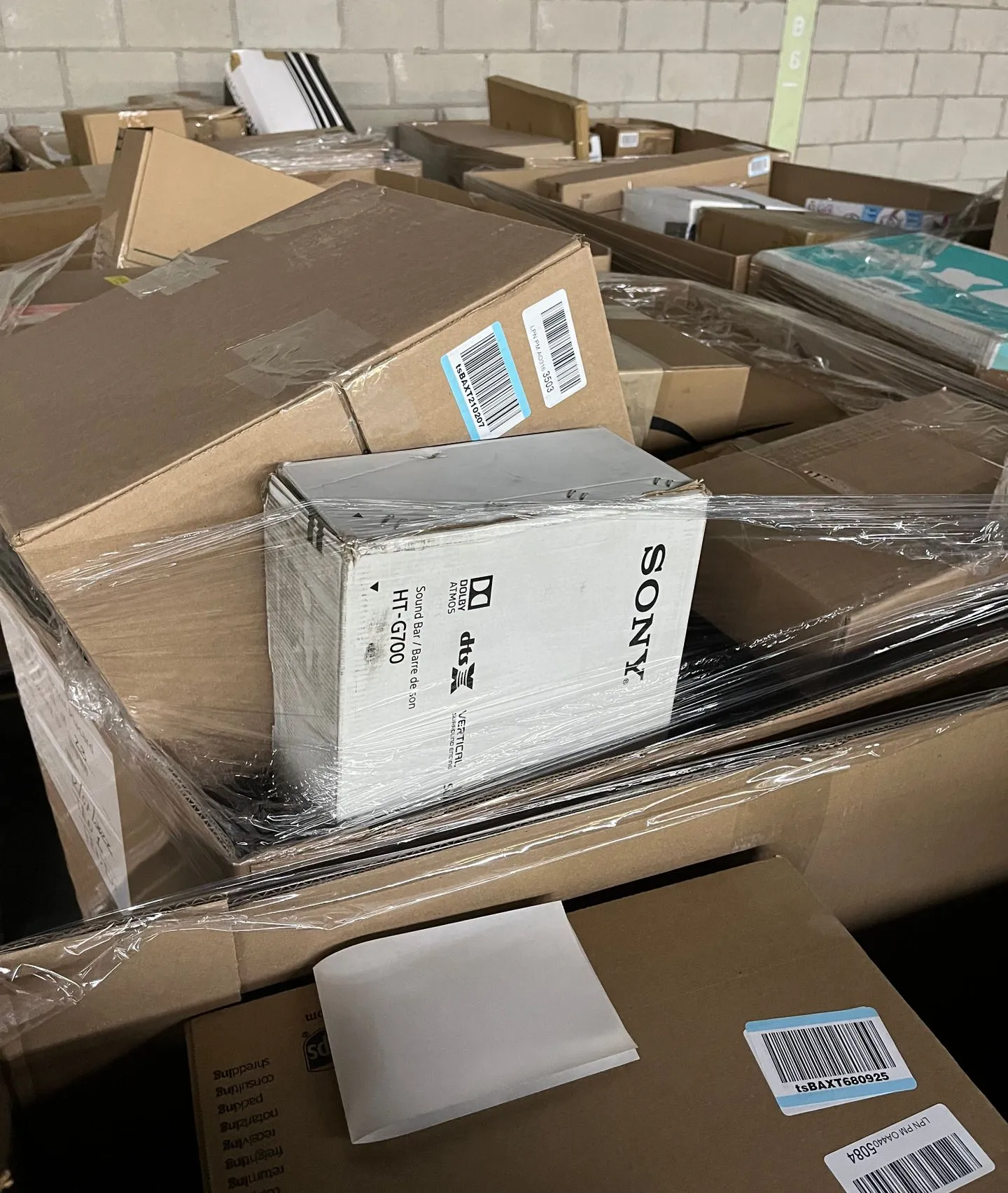
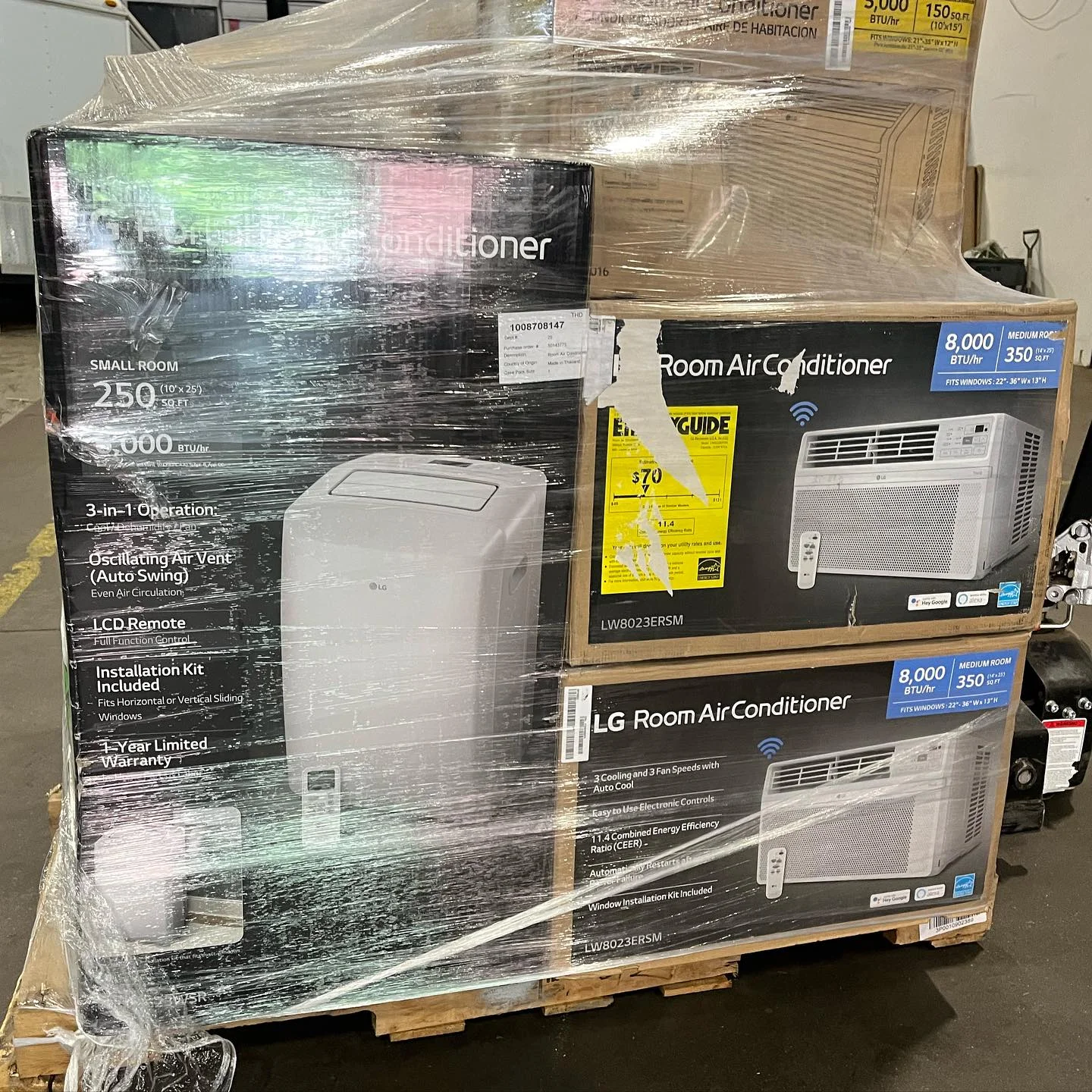
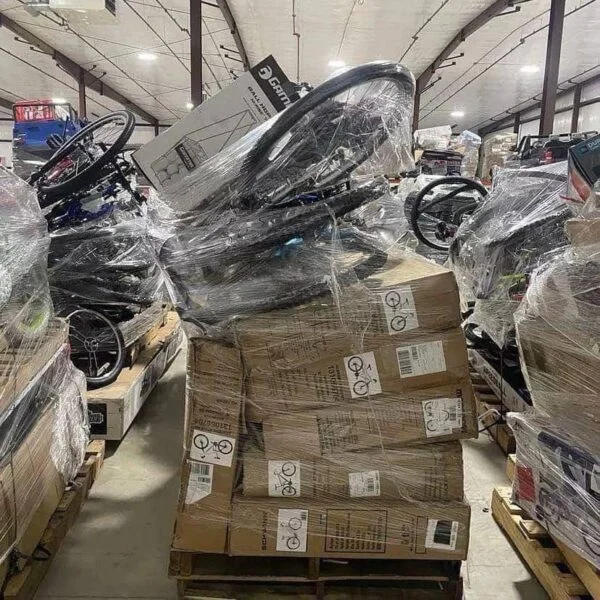
Distinguish three layers: pallet wrap, an outer shipping carton and the individual product package. Fresh stretch wrap around a pallet says nothing conclusive about the seals on retail boxes inside. Likewise, a sealed master carton does not independently verify every enclosed unit.
How to inspect seals without overreading them
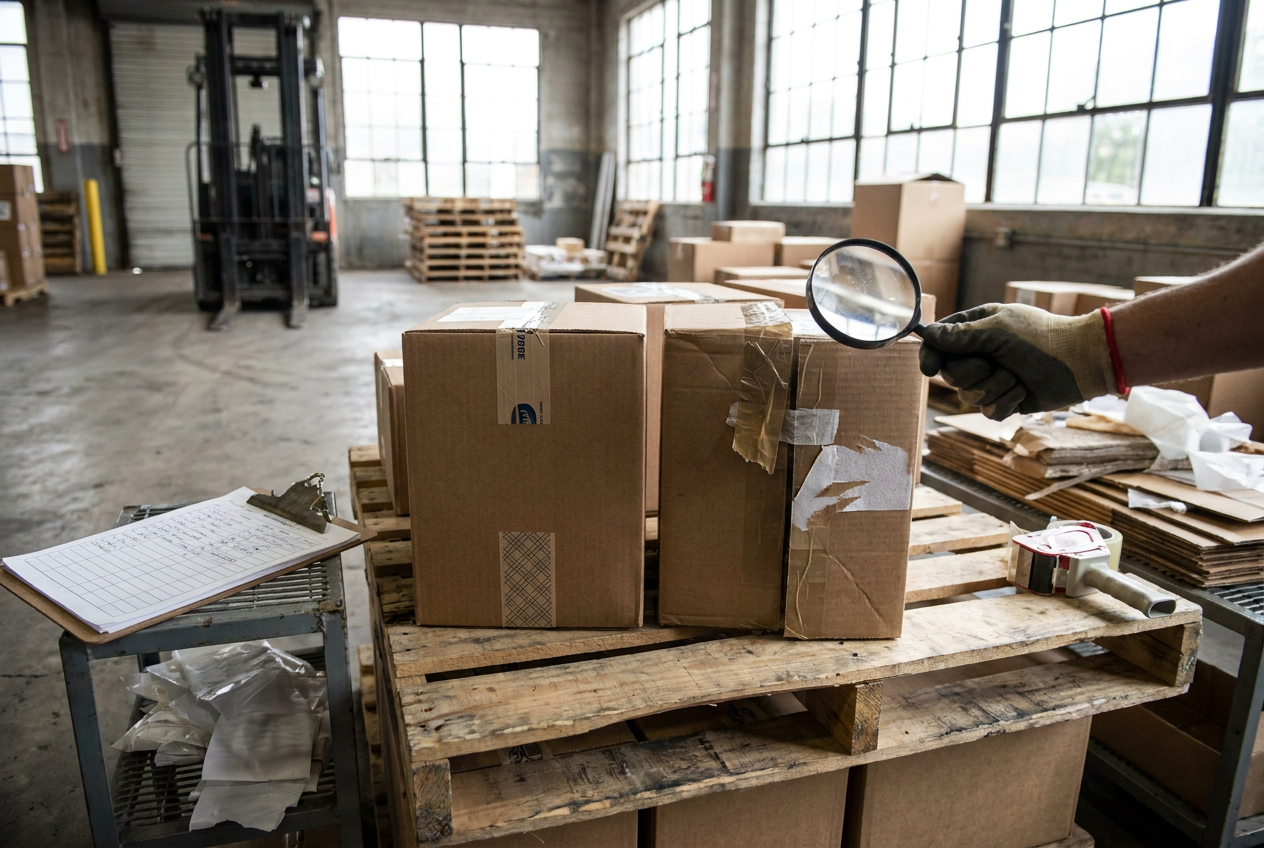
Compare the whole closure system rather than one strip of tape. Manufacturers use different materials, and packaging can change across production runs. A difference is a reason to investigate, not automatic evidence of deception.
| Packaging clue | What it may indicate | What it cannot establish |
|---|---|---|
| --- | --- | --- |
| One continuous closure over an undamaged seam | Packaging consistent with an unopened closure | Working condition or complete contents |
| Cut tape beneath a newer strip | A prior opening followed by resealing | Why it was opened or whether it was used |
| Extra tape over intact original tape | Reinforcement or possible resealing | That the box was necessarily opened |
| Torn fibers or lifted printed surface | Adhesive removal or handling damage | Who disturbed the closure |
| Broken tear strip or security label | Access through that closure or seal damage | Product failure or missing accessories |
| Shrink film with irregular joins | Rewrapping or a packaging variation | Authenticity or condition by itself |
| Water stains, crushing or punctures | Exposure or physical handling damage | Whether concealed damage occurred |
Follow a repeatable inspection sequence
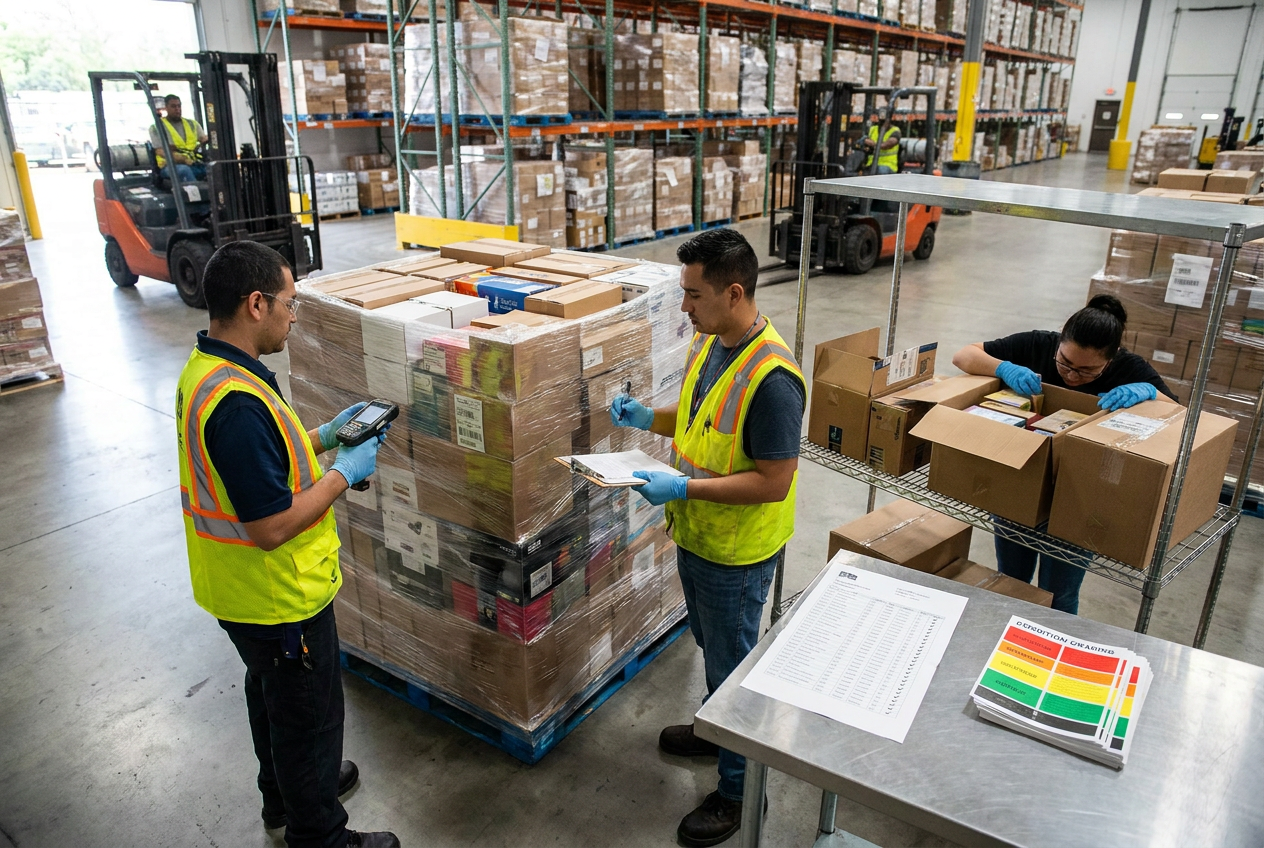
- Identify the package layer. Record whether you are examining transport wrap, a master carton or a retail package.
- Check every access point. A tidy top seam does not rule out an opened bottom flap or damaged side panel.
- Look beneath added tape where visible. Photograph cut edges, adhesive residue and torn cardboard without peeling away evidence.
- Compare identifiers. Note model numbers and accessible serial identifiers on labels. Do not assume similar artwork means identical contents.
- Record uncertainty. Use descriptions such as “closure appears intact” when the original sealing process is unknown.
Do not open a box merely to satisfy curiosity if doing so would destroy useful evidence or change the packaging status you intend to describe. First decide what verification is needed and check any applicable claim instructions.
Keep packaging status separate from condition grade
A condition grade is the seller's classification of merchandise condition. Grades are not universally standardized, so the listing's definition matters more than an isolated label. Packaging observations should supplement that definition, not replace it.
The common inventory terms describe different things:
- Customer returns: merchandise returned by customers; use, completeness and packaging can vary.
- Overstock: excess inventory removed from an inventory channel; the term alone does not verify seals or functionality.
- Shelf pulls: goods removed from retail display or shelves, potentially showing label wear or handling.
- Salvage: merchandise designated for substantial repair, parts recovery or another limited-use disposition, according to the listing.
- As-is: a sale description that directs buyers to accept the stated condition and limitations; it does not replace the applicable listing and policy terms.
Do not reclassify overstock, shelf-pull, customer-return, mixed, used or salvage lots as new because some cartons look unopened. A sealed-looking item within a mixed load does not change the condition of the entire lot.
For how different conditions coexist, see interpreting mixed-condition liquidation pallets. For questions about disclosed limitations, use the guide to as-is liquidation pallet terms. Packaging inspection is narrower than either subject: it provides evidence about access and handling, not a replacement grading system.
PalletCove pallets are not individually tested. Contents are sold as described in the listing, and an intact seal should never be converted into a tested-working claim.
Match packaging claims to the manifest and load description
A manifest is an inventory record describing a lot, potentially including product descriptions, quantities, identifiers and condition information. Its level of detail varies. A lot-summary manifest may describe broad categories without documenting the seal status of each unit.
Keep manifested versus unmanifested loads separate from sealed versus resealed packaging. A manifested load can contain opened boxes; an unmanifested load can contain apparently intact packages. Neither inventory format establishes packaging history.
Before ordering, ask:
- Does “sealed” describe every retail unit, selected cartons or only pallet wrapping?
- Is that statement in the listing, or inferred from a photograph?
- Does the manifest identify individual products or summarize the lot?
- Are packaging exceptions, missing accessories or damaged cartons disclosed?
- What information is unavailable, rather than merely unstated?
PalletCove photos show representative loads, and contents of each pallet vary. A clean carton in a representative photograph is not a promise that your pallet will contain that carton or share its closure condition.
The liquidation sourcing and inventory overview explains the broader buying context. When browsing general merchandise lots or truckload inventory, apply the same evidence standard despite differences in load size.
For example, evaluate an Amazon General Merchandise Truckload listing and an HD GM Truckloads Pallets listing using their own current descriptions. Product names alone do not establish seals, testing or grades. PalletCove is an independent reseller and is not affiliated with, endorsed by or sponsored by any retailer named.
Price the uncertainty before placing an order
The listed purchase price is the starting point, not proof of the merchandise's resale outcome. Free shipping is PalletCove's only delivery option on every order to all 48 contiguous states, and freight is included in the listed price.
For your internal buying decision, account for receiving labor, sorting, inspection, any appropriate testing, replacement packaging, storage and lawful disposition of unsuitable merchandise. A sealed-looking carton may still require verification before you can make accurate resale claims. Avoid paying for assumed condition that the listing does not establish.
Choose a liquidation pallet or full trailer based on receiving capacity and the amount of uncertainty you can evaluate. LTL means less-than-truckload freight, where a shipment shares trailer capacity; a full trailer represents a larger receiving commitment. Neither freight format changes the meaning of a seal.
The liquidation pallets inventory hub provides a starting point for comparing options. Buyers seeking liquidation pallets in Texas and liquidation pallets in Florida should use the same listing-first checks rather than assume location changes condition standards.
Ordering and timing
No payment is collected on the website order form. After order review, a secure card link is emailed; credit and debit cards—Visa, Mastercard, American Express and Discover—are the only accepted payment method. Valid resale certificates are reviewed and applied where the buyer's state allows.
Handling takes 1–3 business days after payment clears. Transit from Houston is typically 3–7 business days, giving an estimated 4–10 business days total. The processing cutoff is 2:00 PM Central Time, America/Chicago, Monday–Friday; after-cutoff confirmations begin the next business day. Weekends and applicable holidays do not count.
Resolve material packaging questions before payment rather than treating delivery inspection as a substitute for understanding the listing.
Inspect delivery and preserve claim evidence
Delivery inspection should distinguish transport damage from preexisting packaging history as far as the evidence allows. An outer carton crushed during transit and a retail box with older replacement tape are different observations; document both without assigning an unsupported cause.

Use a simple receiving record:
- Photograph the load as received, including outer wrap, labels and visible damage.
- Record observable delivery damage on the delivery paperwork where possible; keep a copy.
- Assign pallet or carton identifiers so close-up images remain traceable.
- Photograph suspicious closures before cutting tape or removing labels.
- Compare received goods with the listing and any supplied manifest, recording specific differences.
- Preserve relevant cartons, labels and packing materials while seeking instructions.
PalletCove requests delivery-issue reporting within 48 hours. Report promptly with the order identifier, a factual description and supporting photographs; do not wait for every unit to be evaluated before raising a visible delivery issue.
Under the United States Refund & Returns Policy, products explicitly listed as NEW ONLY qualify for defective and non-defective returns and exchanges within 30 calendar days of delivery. Returns are by mail; the customer is responsible for the return label and shipping, and the restocking fee is 15% of the product price. Refund processing takes 10 calendar days after authorized return receipt and inspection, or approval where no physical return is required.
Mixed and used loads have separate claims terms, not routine change-of-mind returns. The requested 48-hour delivery reporting window does not shorten eligible new-product 30-day returns. Review the warranty terms separately: an original-looking seal does not establish warranty eligibility.
Common mistakes that weaken buying decisions
- Calling a box factory sealed from a distant photograph. Use qualified wording unless provenance supports the stronger claim.
- Treating replacement tape as proof of a defective return. It establishes neither the reason for access nor functionality.
- Equating sealed with complete. Packaging does not independently verify accessories or the correct contents.
- Extending one observation across a truckload. Examining accessible cartons is not verification of every package.
- Removing evidence before documenting it. Peeling tape can erase the layering that explains a closure's history.
- Advertising “new” based only on appearance. Use the actual listed condition and evidence from your own subsequent evaluation.
For resale records, keep separate fields for listed condition, observed packaging and verification performed. “Additional tape present; contents not evaluated” is more informative than an unsupported “like new.”
Frequently asked questions
Does factory sealed mean the product works?
No. An original closure is evidence about packaging history, not electrical, mechanical or other functionality. Manufacturing defects and storage-related problems can exist inside unopened packaging.
Does replacement tape always mean a customer return?
No. Tape may have been added for reinforcement, inspection or repacking at another point in distribution. Look for underlying cut closures and seek documented history rather than assigning a source from tape alone.
Can an item be unopened inside a resealed shipping carton?
Yes. An outer shipping carton can be opened while the individual retail packaging remains intact. Describe the two packaging layers separately so buyers understand exactly what was observed.
Can a manifest prove that every box is factory sealed?
Only a specific, supported packaging statement would address that question; a product list alone does not. Even a seal-status field is not a functionality test, and you should clarify its scope and any exceptions before purchase.
Should I open sealed-looking boxes before reselling them?
That depends on the product, intended description and verification needed. Opening can help establish contents but changes the packaging status; document your decision and avoid claims you cannot support. Apply appropriate product-safety checks regardless of seal appearance.
Talk to PalletCove Liquidation
The practical rule for factory sealed vs resealed buying is simple: describe what you can observe, verify what matters, and leave unsupported conclusions out of your valuation. Return to the pallet types and condition grades guide for the broader framework.
For questions about a listing's packaging language, contact our order desk before ordering, or review current inventory.
PalletCove Liquidation LLC
4000 Telephone Rd Unit B11, Houston, TX 77087
Phone: (713) 819-3904
Email: sales@palletcoveliquidation.com
Hours: Mon–Fri 8:00 AM – 6:00 PM CT, Sat 9:00 AM – 2:00 PM CT, Sun closed
About PalletCove Liquidation
Published by PalletCove Liquidation LLC, based in Houston, Texas. Our buying guides cover evaluating liquidation inventory and preparing for delivery. Consult the current product listing and store policies for purchase terms.